Moby’s return to Coachella 2026 landed as intent.
After taking the stage, the longtime electronic artist confirmed he donated 100 percent of his performance profits to a group of leading animal rights organizations, redirecting the weight of the moment toward something tangible. The list included Physicians Committee for Responsible Medicine, Mercy For Animals, The Humane League, and Direct Action Everywhere, organizations that operate across advocacy, research, and direct action.
That decision didn’t come out of nowhere. It tracked with a career that has consistently blurred the line between music and activism. His 2024 European tour had already followed the same model, funneling profits into similar causes. The Coachella performance simply scaled that approach to one of the largest stages in the world.
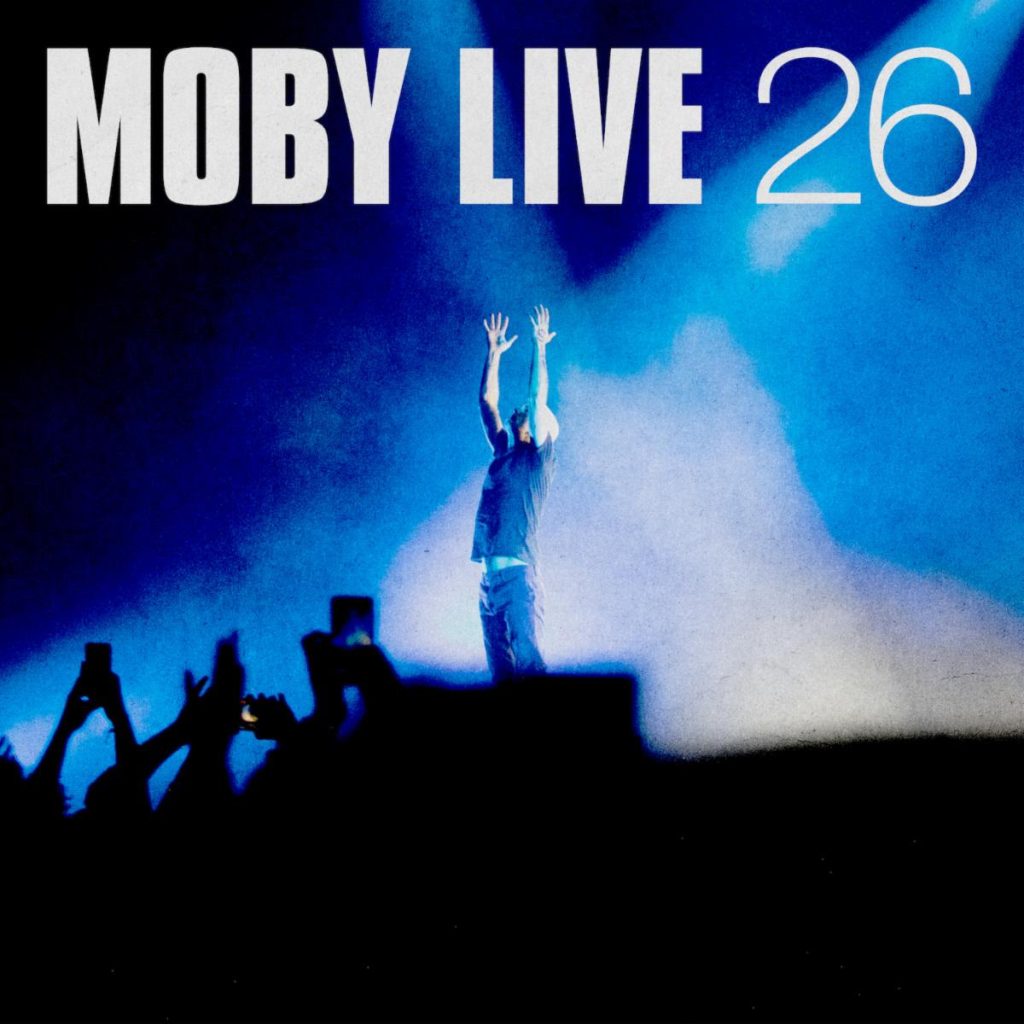
Onstage, the set avoided leaning too heavily on legacy framing, even though the context was there. Moby remains one of the few artists who appeared on Coachella’s original 1999 lineup and returned decades later still capable of commanding the same space. Instead of treating that history as the main event, he folded it into a set that moved fluidly between eras.
The most immediate shift came through his collaboration with Jacob Lusk, who joined him during the performance for reworked versions of “When It’s Cold I’d Like To Die” and “Natural Blues.” The songs weren’t presented as throwbacks. They were reframed, reshaped, and delivered with a sense of urgency that pulled them into the present.
That same approach has defined his recent output. Future Quiet, which had already been released, continued his habit of revisiting older ideas without freezing them in time. Instead of chasing relevance, Moby has leaned into reinterpretation, allowing his catalog to evolve alongside new audiences discovering it through streaming and sync placements.
The Coachella performance also sat at the front end of a broader run of live dates, including an extensive European tour that followed in the summer. But the show itself carried a different kind of weight.
It wasn’t just about returning. It was about using the platform differently.
The set drew the crowd. The donation shifted the focus.
Featured image credit: Karel Chaldek