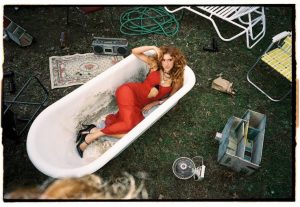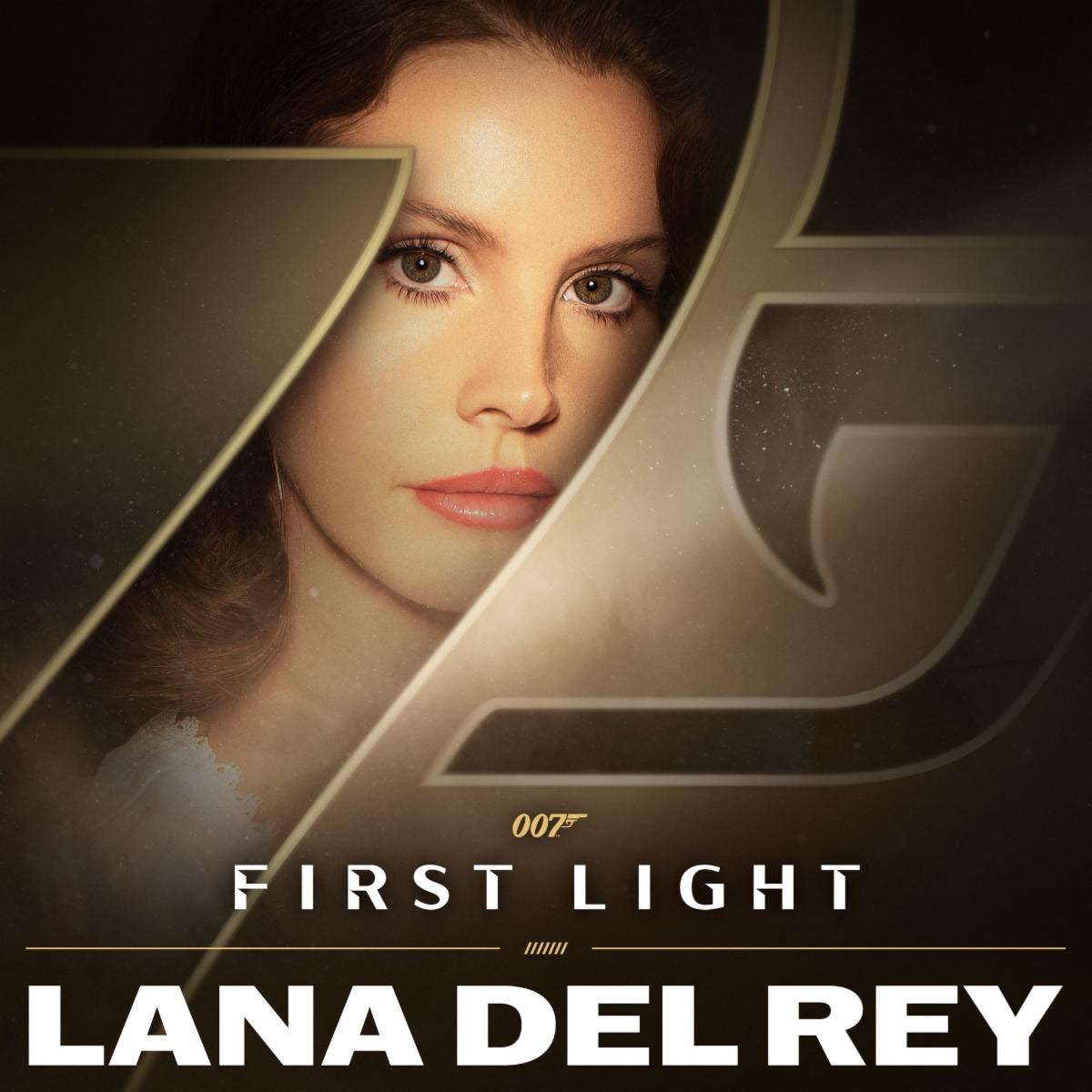
Lana Del Rey stepped directly into the James Bond universe this week, unveiling “First Light,” the official title song for the upcoming video game 007 First Light. The track, co-written and composed alongside legendary Bond composer David Arnold, marked a rare moment where the franchise’s legacy sound met one of modern music’s most distinct voices.
Released ahead of the game’s May 27, 2026 launch, “First Light” arrived with immediate weight. Arnold’s return alone signaled continuity. His work across five Bond films helped define the franchise’s modern sonic identity, and here, that lineage folded into Del Rey’s cinematic melancholy without feeling forced.
The result leaned exactly where it should. Orchestral tension, slow-burning drama, and that unmistakable sense of scale sat underneath Del Rey’s vocal delivery, which brought a colder, more introspective edge than traditional Bond themes. It didn’t chase nostalgia. It reframed it.
Developed by IO Interactive, 007 First Light introduced a reimagined origin story, following a young James Bond before the myth fully formed. The tone of the song mirrored that shift. Less polished spy spectacle, more psychological groundwork.
The title sequence reveal streamed April 17 across Twitch, YouTube, and other platforms, positioning the song not just as a soundtrack moment, but as a core piece of the game’s identity rollout.
For Del Rey, it was a natural extension of a catalog already steeped in noir Americana and fatalistic romance. For Bond, it was another evolution. Not louder. Not bigger. Just sharper.
And for a franchise that rarely misses when it comes to music, “First Light” understood the assignment without playing it safe.
That balance is what ultimately made “First Light” land. It didn’t try to compete with the legacy of Bond themes that came before it, it sharpened the mood instead. There’s a precision to it that mirrors where the franchise is heading, more character-driven, more atmospheric, and less reliant on spectacle alone.
For a series that has always used music to define its eras, this felt like a deliberate shift forward, one that trusted subtlety over scale and still managed to leave a mark.
Featured image credit: IO Interactive