Detroit rapper Skilla Baby has spent years building toward a full-length debut, and The Price of Fame arrives as the clearest picture yet of the artist he is trying to become. Released August 21, the 22-track album pairs his familiar melodic instincts and understated wordplay with a more reflective look at survival, ambition, responsibility and the cost of becoming successful without losing sight of where he came from.
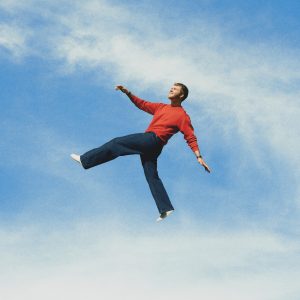
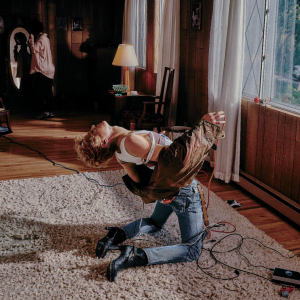
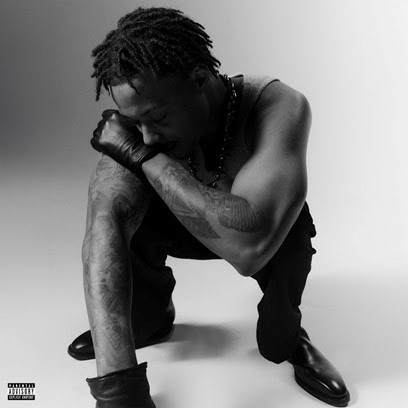
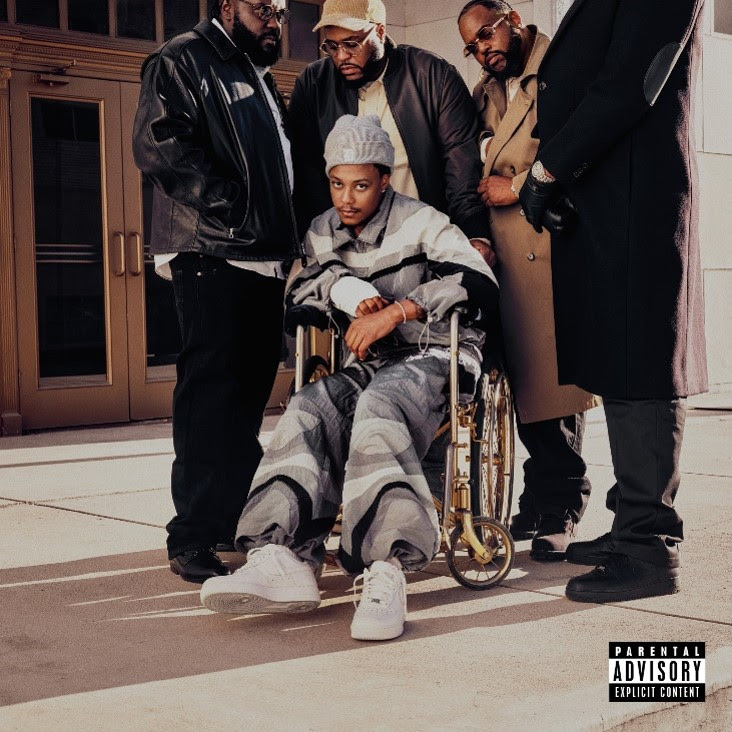
Rather than treating his debut studio album like a victory lap, Skilla uses The Price of Fame to examine what success actually demands from the person experiencing it. That theme is immediately reinforced by the album artwork, which draws inspiration from the 1994 photograph of Tupac Shakur in a wheelchair with his hand bandaged. The reference carries additional weight following Skilla Baby’s own brush with death last year, an experience he says pushed him to rebuild physically, mentally and spiritually.
“Going into this album, I approached it differently,” Skilla says. “I had a different story to tell.”
That difference shows up throughout an album structured around more than songs alone. Four skits, including “LoganGPT,” “Tough Guy,” “May 22nd” and “The Suits,” break up the 22-song sequence and give The Price of Fame the shape of a traditional narrative-driven hip-hop album. It is an intentionally expansive record, one that moves between hustle music, romantic cuts, personal reflections and spiritual grounding rather than settling into a single mood.
Skilla has described The Price of Fame as music for the “average man,” particularly people who endure difficult circumstances while continuing to work, provide and protect the people around them. That perspective has already been central to the album’s rollout.
“GYSM,” shorthand for “get you some money,” frames daily work itself as worthy of respect. Its video follows Skilla through a series of ordinary jobs, including construction, delivery work, office employment and janitorial work, making the song’s message less about celebrity wealth than the discipline of earning a living.
“Show Me Love” shifts that energy toward self-worth. Produced by Sean Momberger, Rance, BoogzDaBeast and Warryn Campbell, the track has the buoyancy of a celebration while still operating as a boundary-setting record. Skilla sounds less interested in proving himself to outsiders than recognizing who actually shows up for him.
The album also gives him room to lean further into the melodic side of his sound. “Face Card,” featuring Chris Brown and Bryson Tiller and produced by Hitmaka and Aye YB, moves into smoother R&B territory. The collaboration became the No. 1 most added song at U.S. Urban Radio, giving the album one of its most commercially accessible moments without abandoning the directness that has made Skilla’s music resonate.
Elsewhere, the guest list is notably restrained for a 22-track debut. Nas appears on “Respect My Gangsta,” while gospel artist Erica Campbell joins “Strength In Numbers.” Their appearances sit alongside Chris Brown and Bryson Tiller rather than crowding the project with features, leaving most of The Price of Fame squarely centered on Skilla himself.
That becomes especially important when the album reaches titles like “No Tears,” “Dear Mama,” “Product of My Environment,” “Be Me” and the title track. Even before accounting for the content of each individual song, the sequencing makes the album’s larger preoccupations clear. Family, environment, identity, masculinity, gratitude and survival repeatedly intersect with the question posed by the album’s title: what does fame cost, and what parts of yourself are worth protecting once success arrives?
Skilla has been openly thinking through that question in conversations with artists including 50 Cent, A$AP Rocky and G Herbo. He has also characterized the album as an act of “shedding skin,” describing it as the point where he intends to move from one level of artistry into another.
That transition arrives after a run of projects that already established him as one of Detroit’s most visible contemporary rap voices. In 2024, he released Crack Music 3 and the deluxe edition of The Coldest, while songs including “Jwett,” “So Bad” with 4Batz and “Controversy 2” with Tee Grizzley continued expanding his audience. That same year, he earned the fan-voted People’s Champ position in the XXL Freshman Class.
The Price of Fame is different because it asks to be considered as a complete statement rather than another step in an ongoing mixtape run.
Skilla, born Trevon Gardner, began recording after losing his father at 15 and has spent more than a decade developing the balance that now defines his music. His records can move from tough, conversational bars into vulnerable melodic passages without making those sides feel contradictory. That flexibility has helped distinguish him within Detroit’s crowded rap ecosystem, but on The Price of Fame, versatility is less the point than purpose.
The record begins with “Baptism Sunday” and “God’s Favorite” before moving through songs about work, love, paranoia, family and identity, eventually closing with “Strength In Numbers” and “He Never Left.” The spiritual framing is hard to miss. For an album concerned with fame, it repeatedly redirects attention toward endurance, community and the forces Skilla believes carried him far enough to experience success in the first place.
He may be calling the album The Price of Fame, but the project is ultimately less interested in celebrity than consequence.
For Skilla Baby, becoming famous is not the end of the story. It is the point where the story becomes more complicated.
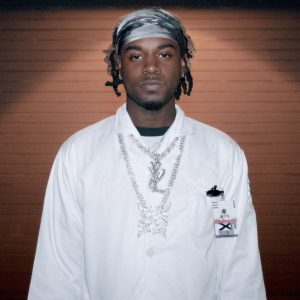
Featured image credit: Skilla Baby