There are certain stories that arrive already written in your mind before you’ve even shown up. After years of covering live music, I’ve developed a fairly reliable instinct for how a festival is going to feel before I step through the gates. I know I’ll pay too much to park. I’ll probably buy an overpriced bottle of water within the first hour, spend the afternoon weaving through crowds that grow less patient as the day wears on, and leave with sore feet, ringing ears, and a camera full of photographs that somehow never capture what it actually felt like to be there. Live music has developed its own rituals, and after enough years on the beat, those rituals become so familiar that they almost fade into the background.
Glo Fest Cali refused to behave like any of them.
When the invitation first landed in my inbox, my curiosity had very little to do with Christian hip-hop. In fact, I knew almost nothing about the genre. What interested me was Miles Minnick, a Bay Area artist who has quietly become one of Northern California’s most compelling cultural figures. Before the XXL Freshman recognition, before the growing national attention, Minnick had already been building something that felt distinctly local, bringing together artists, churches, families, and neighborhoods that don’t often occupy the same room while remaining unapologetically rooted in Bay Area hip-hop. Whether or not someone shared his faith almost seemed beside the point. Something was happening around him, and as a journalist, I’ve learned that whenever an artist begins creating community instead of simply building an audience, it’s worth paying attention.
That instinct has guided much of my reporting over the years. I have always said yes to opportunities to cover Bay Area hip-hop because I don’t think the region gets nearly enough credit for what it continues to contribute to American music. Conversations about rap almost always circle the same cities. New York. Atlanta. Houston. Los Angeles. Chicago. The Bay Area inevitably enters the conversation through a handful of artists, but rarely through the culture that produced them. People ask what Bay Area hip-hop sounds like, but that question has never made much sense to me because the answer has never been a particular beat or production style. It’s a way of growing up.
The Bay Area has always been a place where communities overlap in ways that don’t exist elsewhere. Black families, Latino families, immigrant Asian communities, Pacific Islanders, artists, engineers, skaters, dancers, musicians, suburban kids, and city kids have spent generations influencing one another simply because life here demands proximity. BART has quietly become one of the region’s greatest cultural equalizers, carrying teenagers across county lines long before they’re old enough to drive. You grow up taking the train into Oakland for one thing, Berkeley for another, San Francisco for something else entirely, absorbing neighborhoods, slang, fashion, music, and perspectives that slowly become part of your own identity without you ever realizing it’s happening. The Bay Area doesn’t ask people to stay inside one lane. It encourages curiosity.
That curiosity extends into the music itself. Bay Area hip-hop has always felt less interested in fitting neatly inside industry expectations than it has in reflecting the people who actually live here. It borrows from funk, soul, gospel, jazz, R&B, hyphy, dance culture, and whatever else feels authentic because that’s what the Bay Area has always done. Even fashion tells a similar story. A lot of young people here spend their weekdays wearing school uniforms or service industry dress codes before reclaiming their individuality on weekends through sneakers, jewelry, jackets, and personal style. Looking good isn’t about vanity as much as it is about self-expression, and that instinct has shaped generations of Bay Area artists who understand that presentation is part of storytelling.
Those were the things I was thinking about as I drove toward Mountain View.
What I wasn’t prepared for was the timing.
The day before Glo Fest, I lost someone who meant the world to me. Grief has a way of making the ordinary feel strangely impossible. You still move through the day because you have to, but every decision requires more effort than it should. The thought of spending an afternoon at a music festival felt almost absurd, and the fact that this particular festival happened to be inside a church only complicated things further. My relationship with organized religion has never been straightforward. Faith has remained part of my life even during the years when church itself has not. Like many people, I’ve spent a long time trying to reconcile belief with institutions that too often fall short of the compassion they preach. It’s a tension I’ve carried quietly for years, and walking into a church was not something I imagined doing while trying to process fresh grief.
Looking back now, it’s difficult not to see the irony.
Sometimes life has an uncanny way of placing you exactly where you need to be, even when it’s the last place you would have chosen for yourself.
VIVE Church sits in the middle of Silicon Valley, only a short drive from Shoreline Amphitheatre, where some of the biggest tours in the world stop every summer. From the outside, it would be easy to mistake the campus for a modern performing arts center. The surprises began almost immediately. Parking was free. Not discounted. Not validated. Free. Once inside, I found water stations where anyone could help themselves without reaching for a credit card. Those details might seem insignificant on paper, but anyone who spends enough time covering festivals knows just how unusual they have become. Somewhere along the way, we’ve accepted that live music comes with a long list of unavoidable inconveniences, and it’s remarkable how quickly you notice their absence when someone simply decides they don’t have to exist.
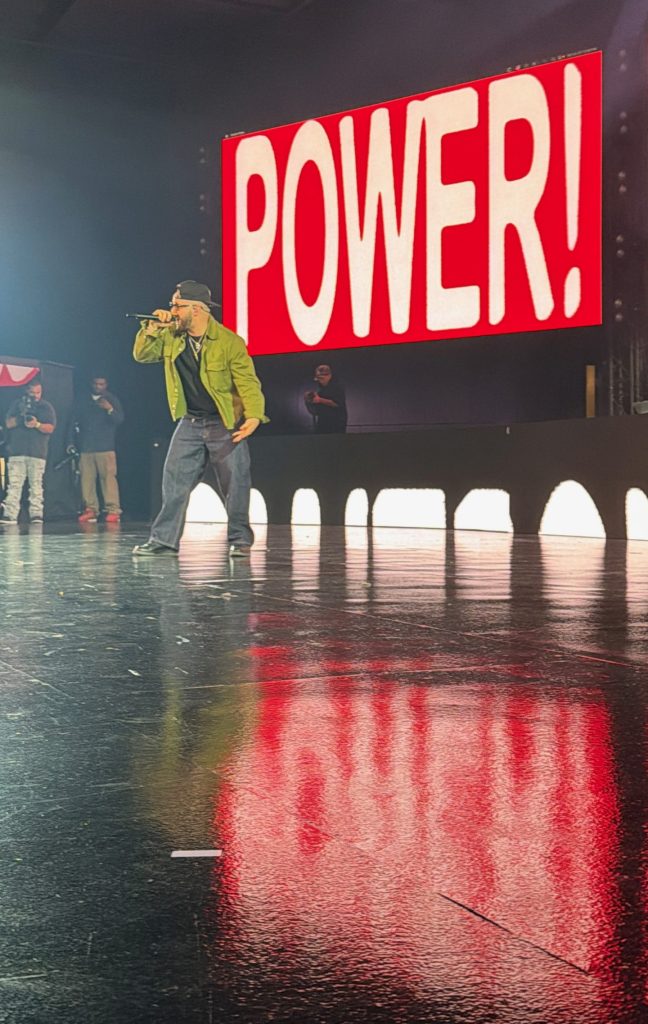
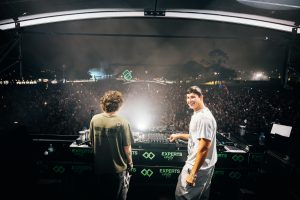
The auditorium itself was stunning. A sprawling stage stretched across the room beneath enormous LED screens and a professional lighting rig that rivaled venues charging several times the price of admission. It was polished without feeling sterile, expansive without sacrificing intimacy, and immediately challenged every assumption I had carried with me about what a church venue might look like.
I arrived during the closing moments of Aaron Cole’s set, just as he was winding down one of the smoothest R&B performances I’d heard in quite some time. His vocals felt almost effortless, gliding through the room with a confidence that never slipped into excess, and when he closed by weaving an Usher favorite into his own material, the audience responded like any crowd you’d hope to find at a great summer festival. It was the first indication that whatever preconceptions I had brought with me weren’t going to survive the afternoon.
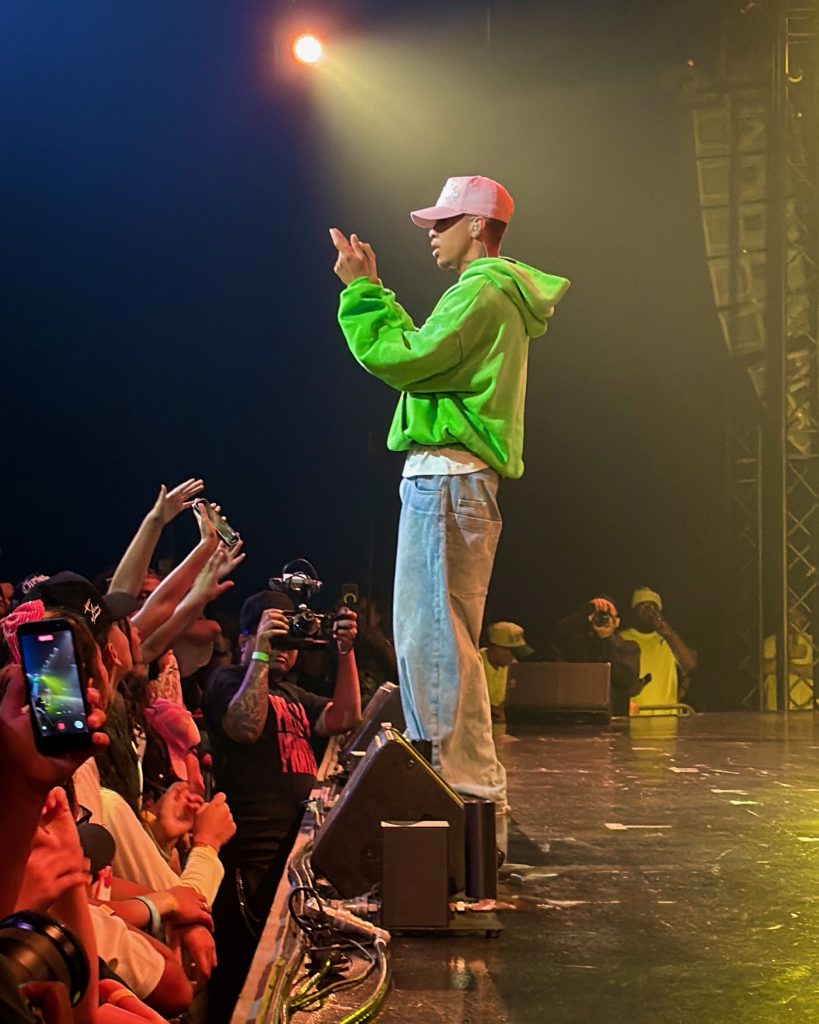
As I looked around the room, though, it wasn’t the stage that held my attention for very long. It was the audience.
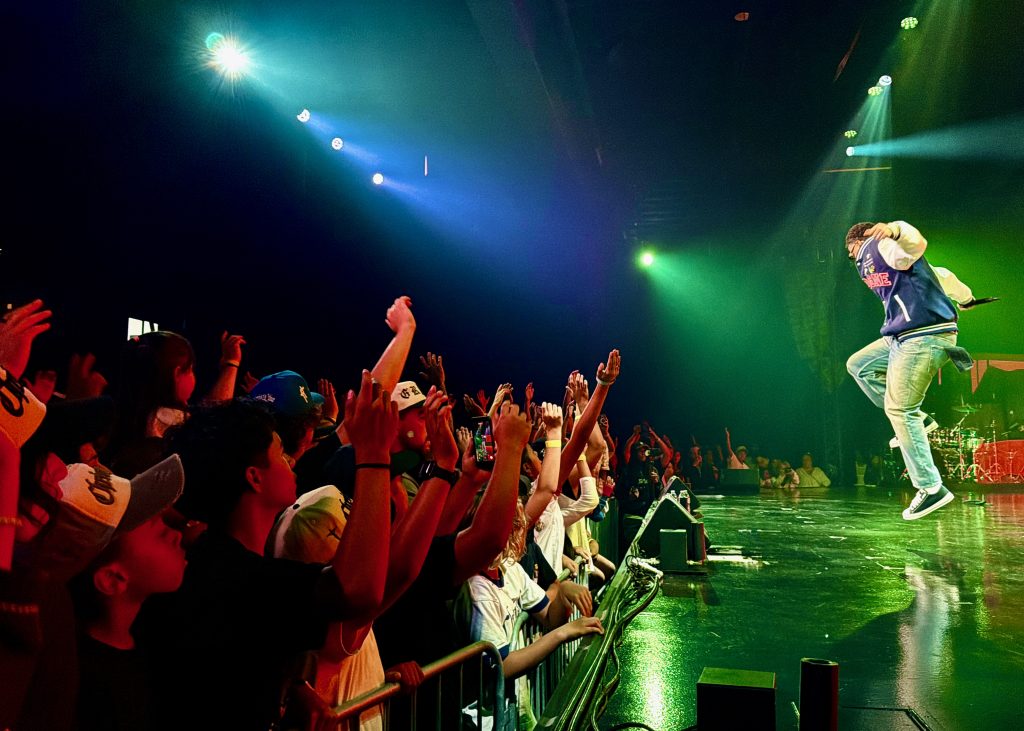
Children lined the barricade with the kind of excitement that usually disappears the moment adults begin competing for better sightlines. Parents stood comfortably behind them, seemingly content to let the youngest fans have the closest view of the stage. Women moved easily through the crowd without constantly being jostled or squeezed between strangers. Groups made room for one another without anyone asking. The room was full, energetic, and genuinely excited, yet there was a quiet sense of courtesy running beneath everything that felt almost foreign after years of covering traditional music festivals.
I kept waiting for the moment when somebody would start pushing toward the front, when drinks would spill, when the crowd would begin behaving the way crowds almost always do. It never happened.
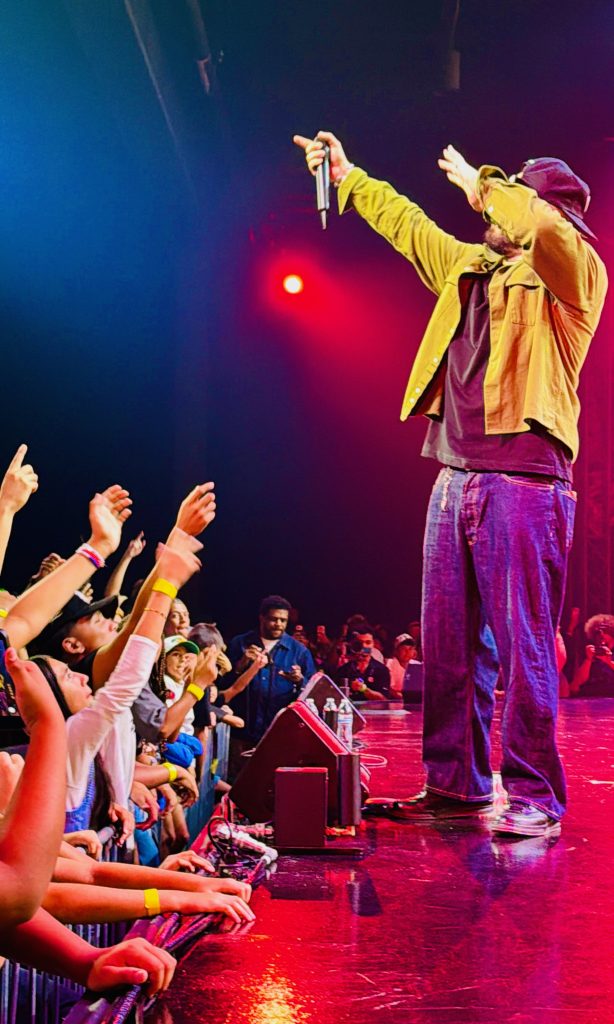
Instead, I found myself watching thousands of people enthusiastically participate in a hip-hop festival while somehow remaining deeply aware of everyone around them. They danced. They sang every lyric. They celebrated every artist who walked onstage. Yet the atmosphere never became competitive. It felt communal in a way that is often promised at festivals but rarely achieved, and as the afternoon unfolded, I began to realize that what made Glo Fest so compelling wasn’t simply that it was a Christian music festival.
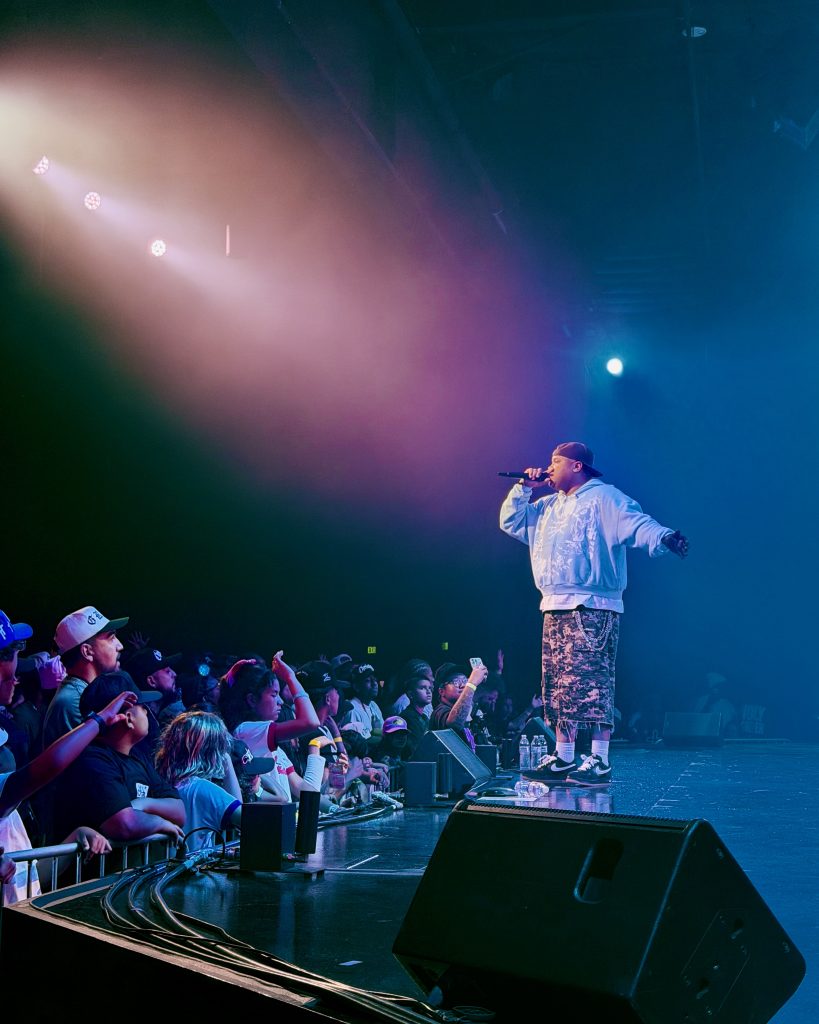
It was that it quietly challenged nearly every assumption I had about what a music festival could be.
Once I stopped comparing Glo Fest to the festivals I was used to covering, I found myself paying closer attention to the music itself, and that may have been the day’s biggest surprise. Christian hip-hop is often dismissed by people who have never spent any meaningful time listening to it, reduced to a niche genre that exists only for church audiences. Walking into Glo Fest, I realized I had unconsciously carried some of those assumptions with me. By the end of the afternoon, I couldn’t defend a single one of them.
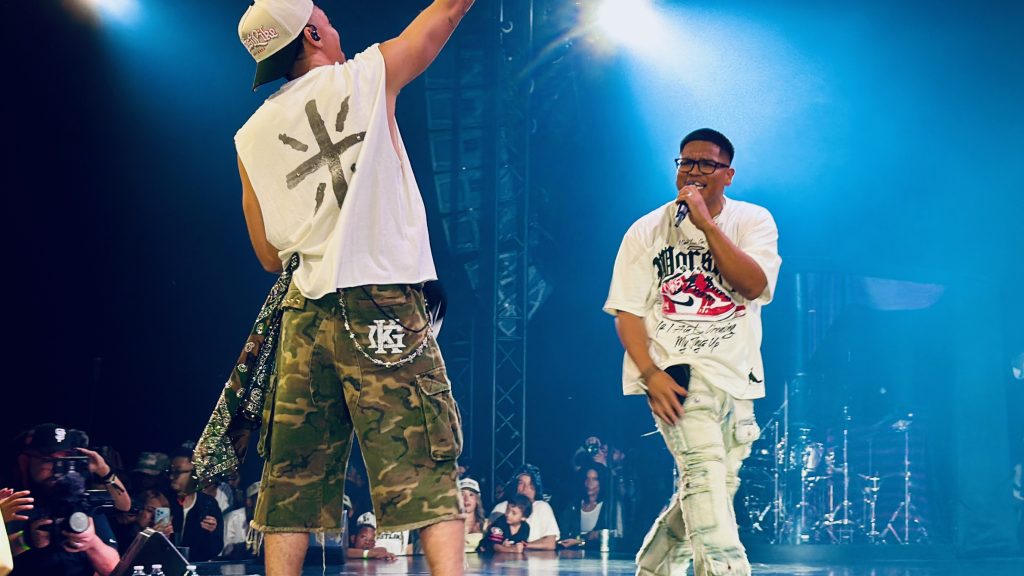
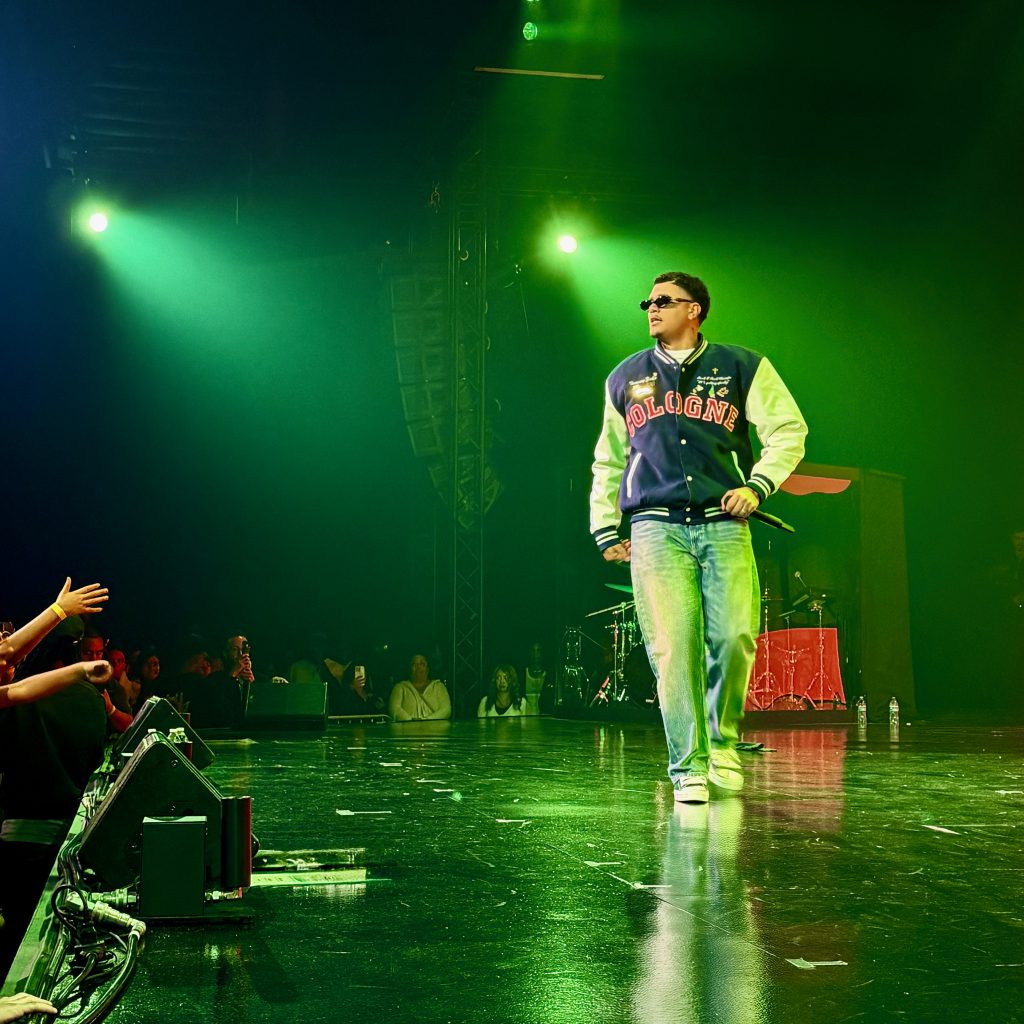
What struck me first was how little anyone onstage seemed interested in making excuses for their music. There was no sense that the artists were asking the audience to overlook weaker production because the message was more important than the sound. If anything, it was the opposite. The production was polished, the performances were meticulously rehearsed, and every artist who walked onstage seemed determined to prove that faith and artistic ambition are not mutually exclusive. Whatever conversations people may want to have about the lyrical content, the musicianship spoke for itself.
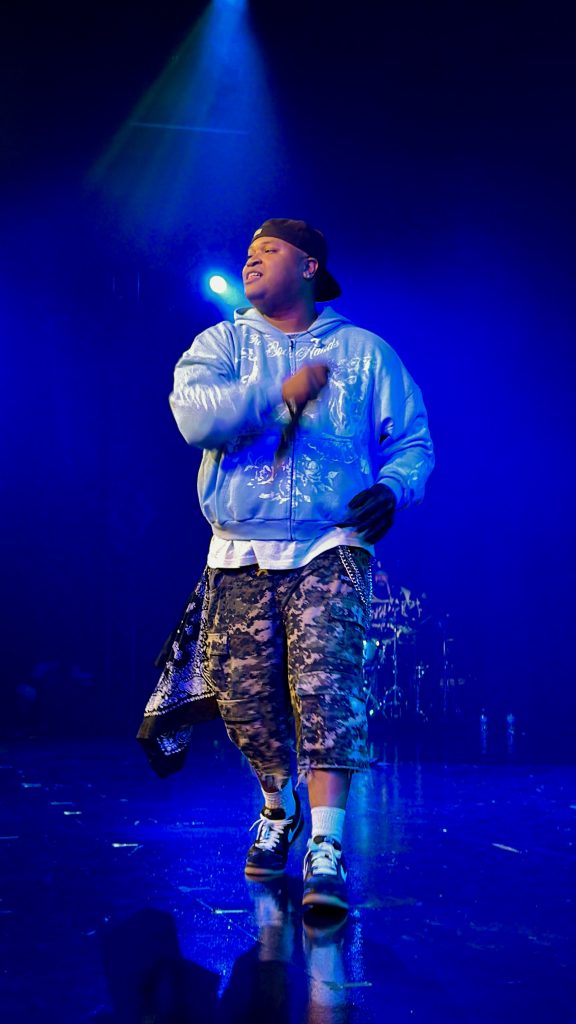
Aaron Cole set that tone almost immediately. His voice carried an effortless warmth that translated beautifully in a live setting, and the ease with which he moved between contemporary R&B and familiar melodies immediately put the audience at ease. His interpolation of an Usher favorite could have easily felt like a gimmick, but instead it served as an introduction, a reminder that these artists grew up on much of the same music as everyone else and weren’t interested in pretending otherwise. Throughout the day, I noticed that same instinct appearing again and again, with artists borrowing from late-’90s and early-2000s hip-hop and R&B in ways that felt less like nostalgia than conversation. Familiar beats became foundations for entirely new stories, allowing audiences to recognize something they loved while hearing it filtered through a different perspective.
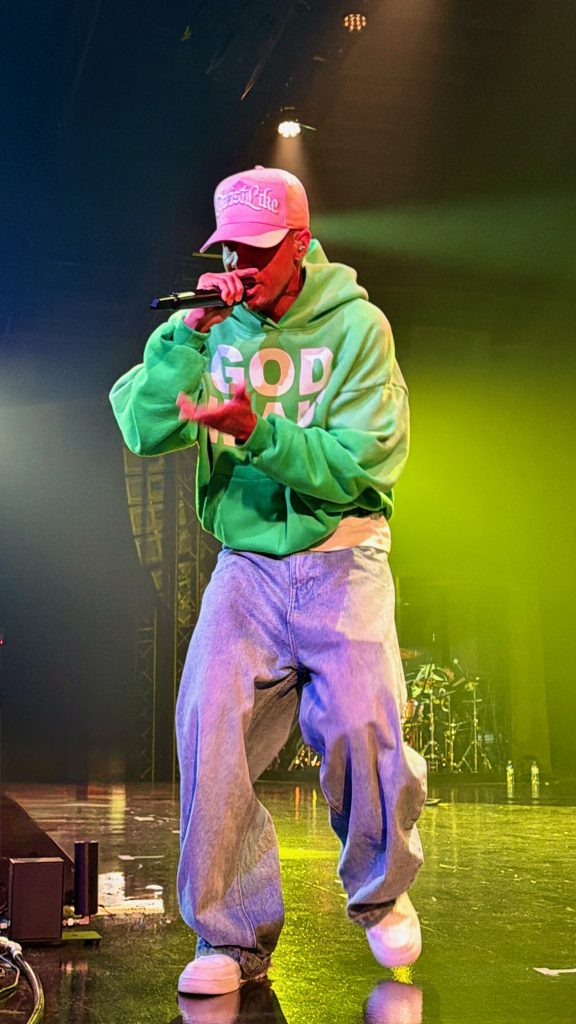
Jon Keith followed with a set that demonstrated exactly why he has become one of the most respected lyricists in Christian hip-hop. His stage presence was understated but commanding, relying less on spectacle than on confidence in the material itself. His songs carried enough melodic instinct to remain memorable long after the set ended, particularly “New Me,” which stayed with me for days afterward, while the premiere of his collaboration with Chance the Rapper showed how comfortably artists in this space now move between Christian and mainstream audiences. The song never felt like it was trying to announce its message with a megaphone. Instead, it trusted listeners enough to meet it where they were, a restraint I found refreshing.
Tommy Zuko brought a completely different energy, reminding me that personality remains one of the most valuable currencies any performer can possess. He walked onstage with the easy charisma of someone who understands that audiences respond as much to authenticity as technical ability. His confidence never drifted into arrogance, and his set balanced humor, movement, and thoughtful songwriting in a way that made him one of the afternoon’s most engaging performers. Watching him, I understood why his audience continues to grow beyond traditional Christian music circles. There is an openness to his performance style that invites people in rather than asking them to prove they belong.
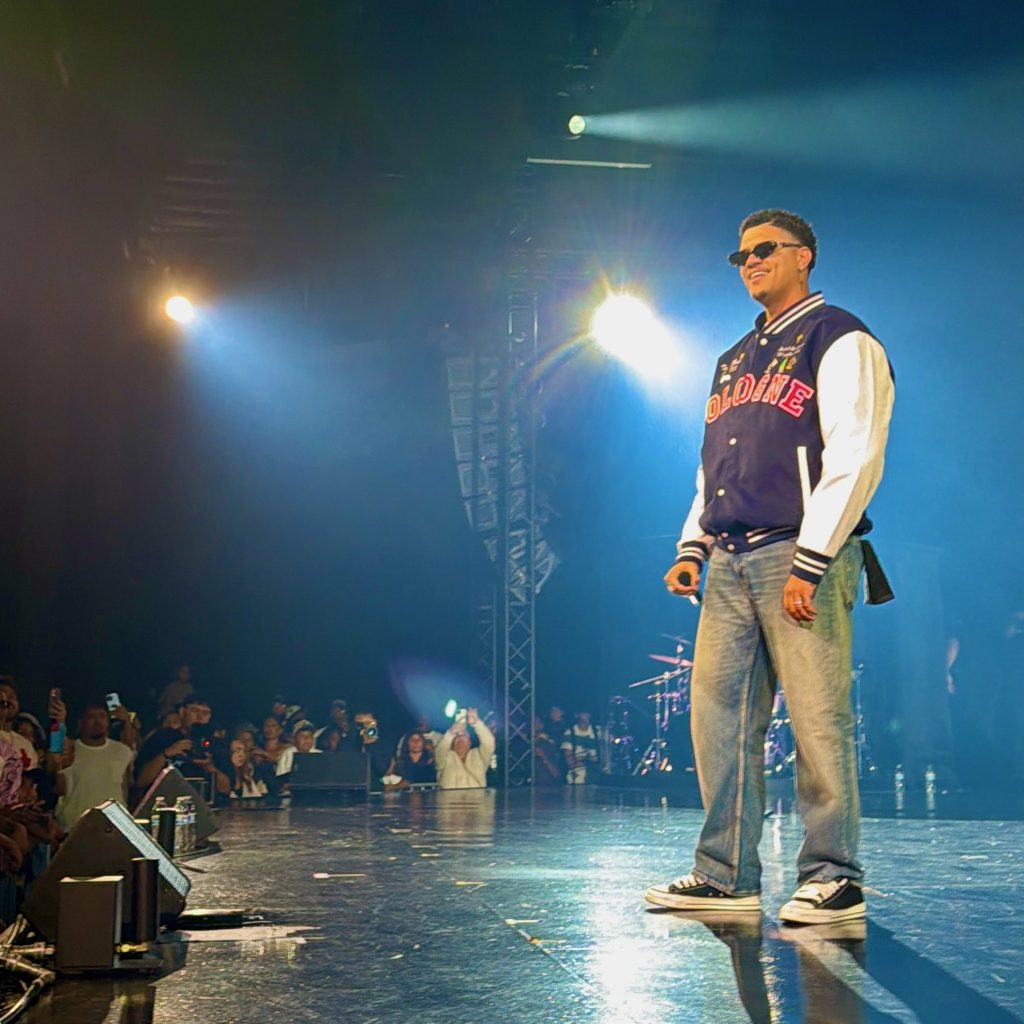
Andy Mineo arrived with the confidence of a veteran who has spent more than a decade refining his craft, and it showed in everything from his remarkable breath control to the way he used silence as effectively as rhythm. His flow was breathtakingly precise, yet what impressed me most was his understanding of pacing. Rather than overwhelming the audience with constant intensity, he allowed songs to breathe, creating space for people to absorb both the music and the moments unfolding on the enormous screens behind him. It was a reminder that some of the strongest performers are actually storytellers who understand how every element of a production contributes to the experience.
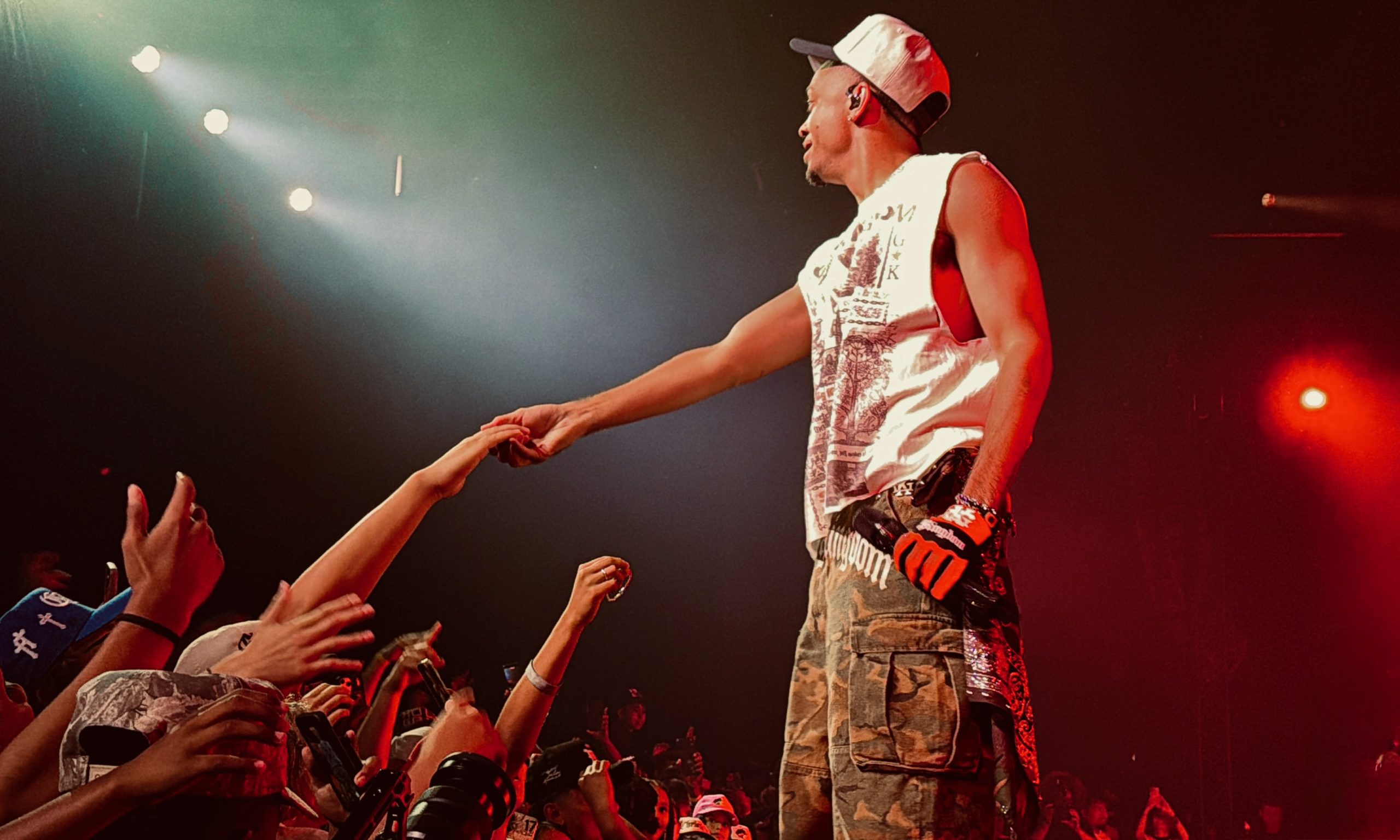
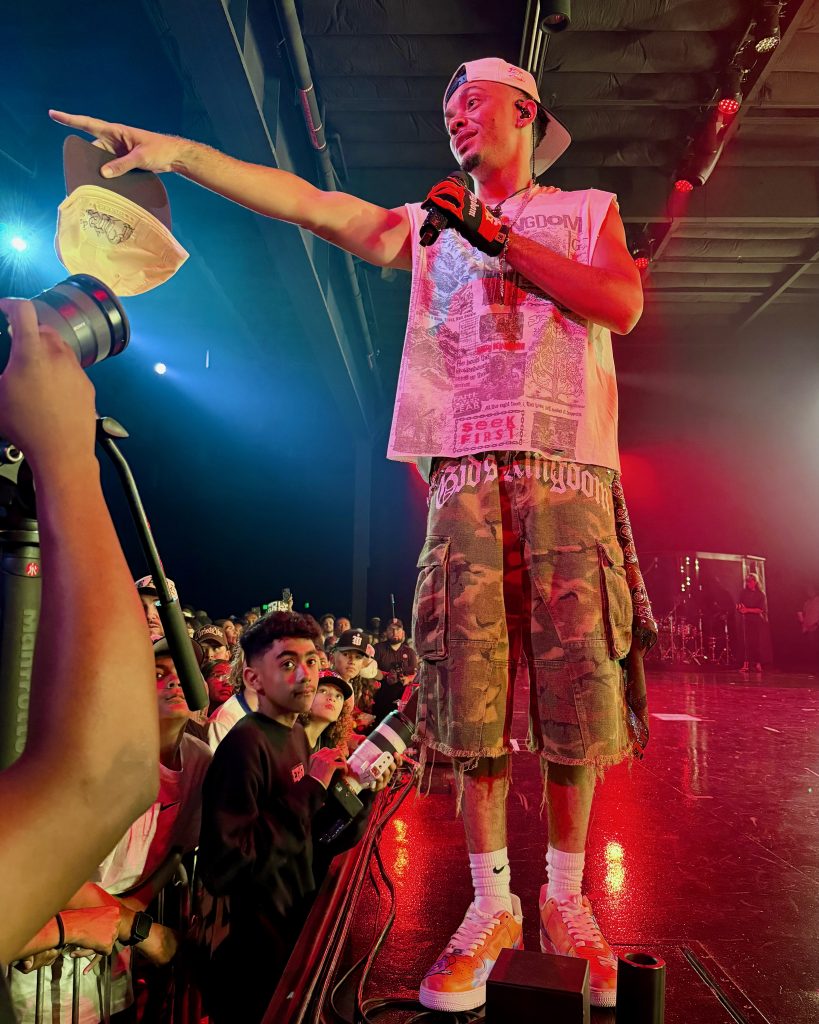
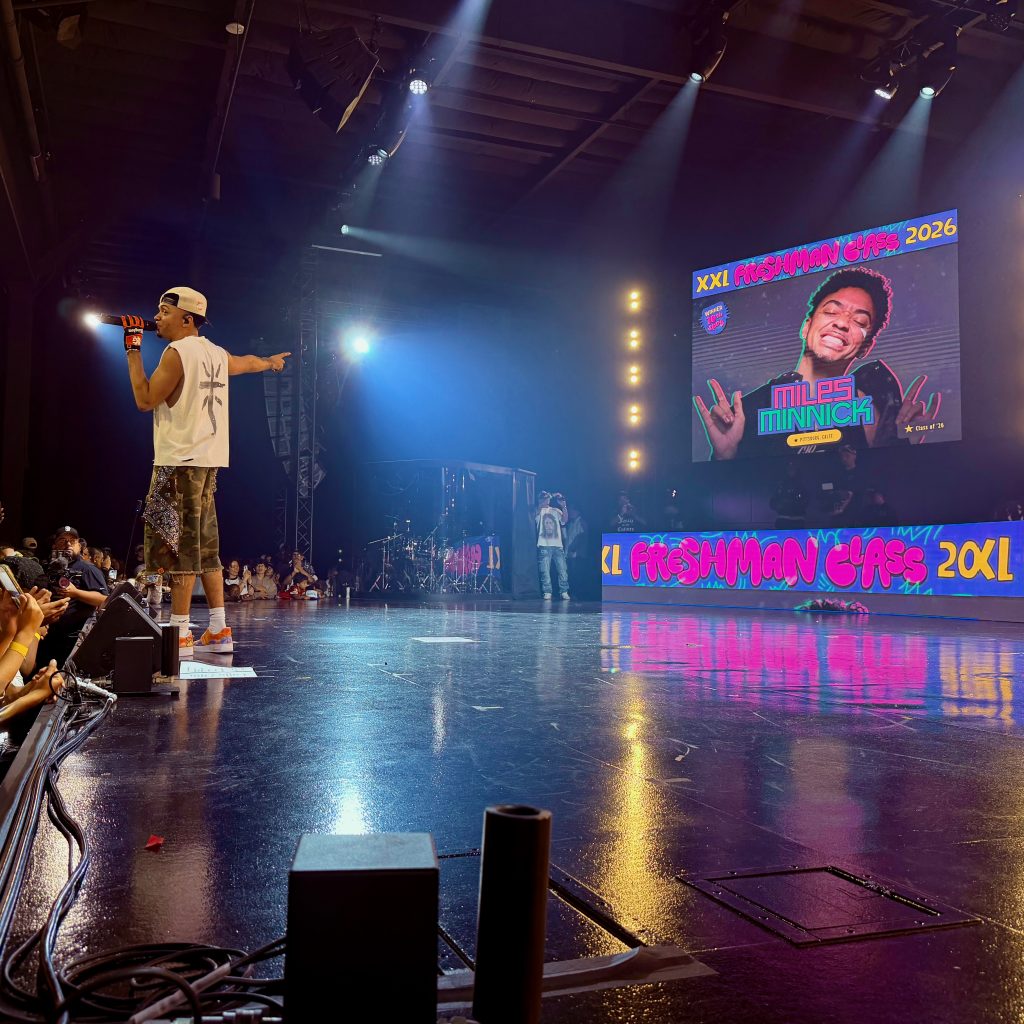
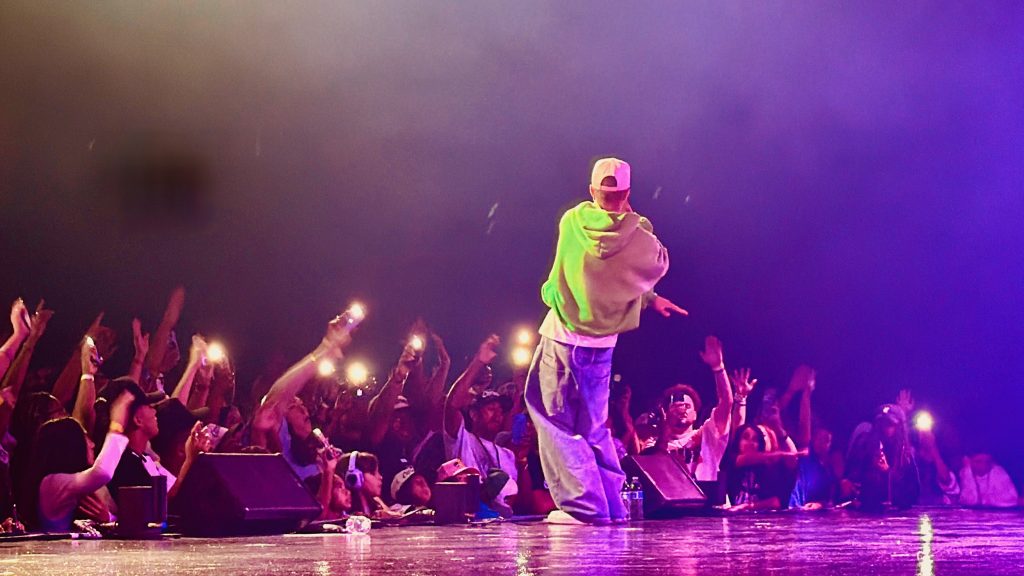
By the time Miles Minnick took the stage, the room had reached a level of anticipation usually reserved for arena headliners. The audience wasn’t merely excited to see him. They were proud of him. That distinction became clearer with every passing song. Glo Fest never felt like an artist asking fans to celebrate his success, it felt like an entire community celebrating one of its own.
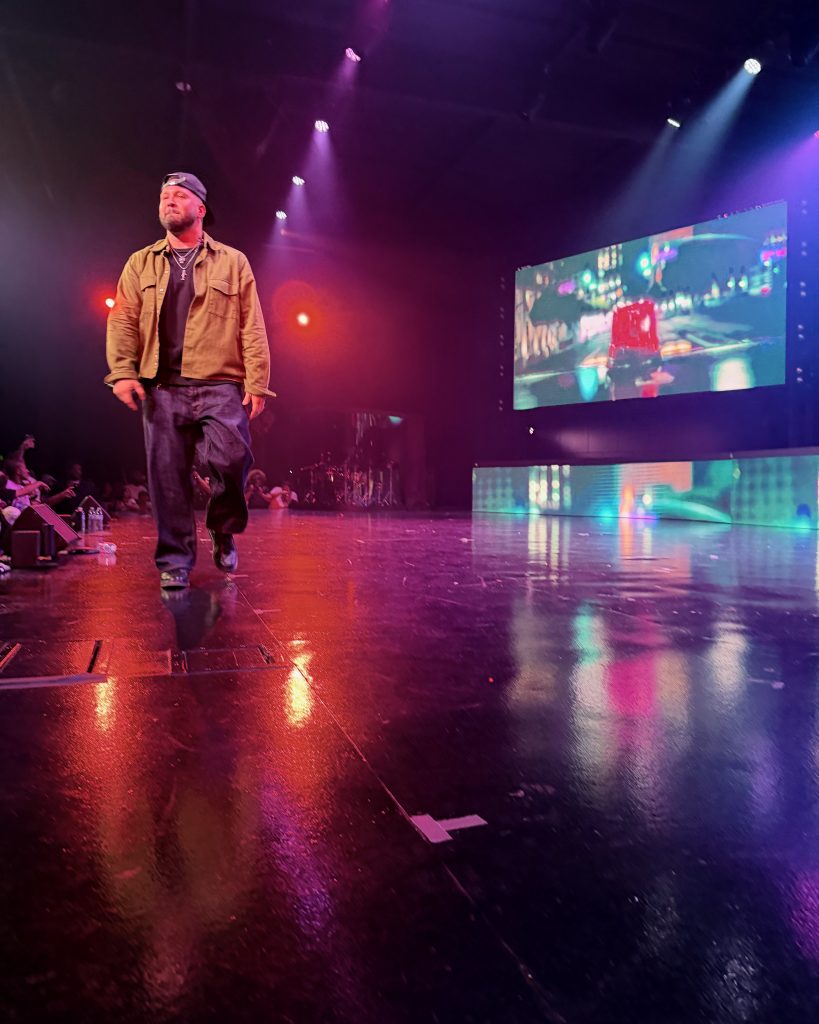
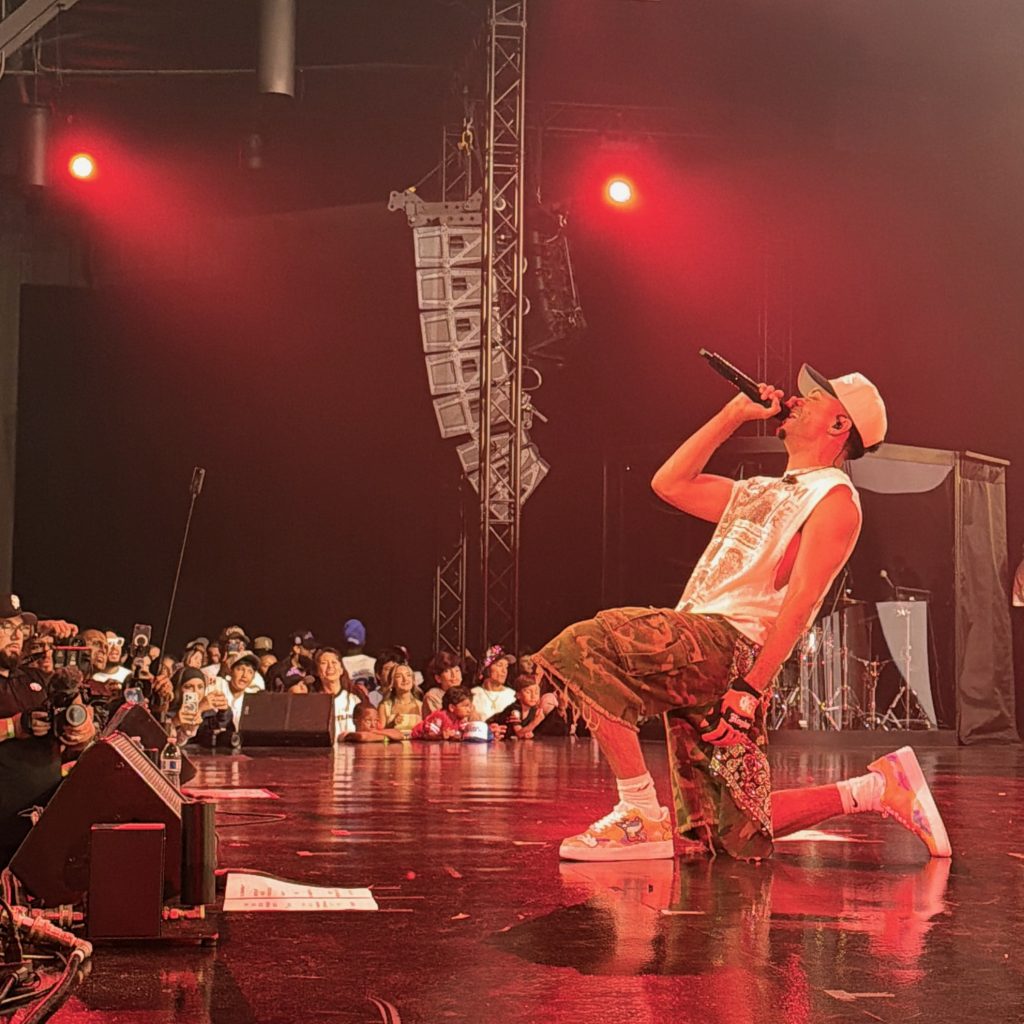
Minnick’s performance reflected the Bay Area in ways that extended far beyond the music. Dancers moved in and out naturally, guests appeared without disrupting the momentum, and friends shared the spotlight without lingering there. It reminded me of cyphers and breakdancing circles more than traditional rap concerts, where everyone instinctively understands when to step forward and when to step back. Rather than crowding the stage simply to be seen, people participated when they had something to contribute before quietly making room for the next person. That rhythm gave the entire performance an unusual generosity, reinforcing the idea that the show belonged to everyone rather than revolving around a single personality.
Throughout his set, visuals of BART trains, Bay Area neighborhoods, family photographs, and memories from earlier in his life stretched across the giant screens behind him, subtly reinforcing the idea that his career has always been rooted in home. It would have been easy for those images to become sentimental, but instead they functioned almost like another member of the band, constantly reminding the audience that success had not required abandoning the community that shaped him.
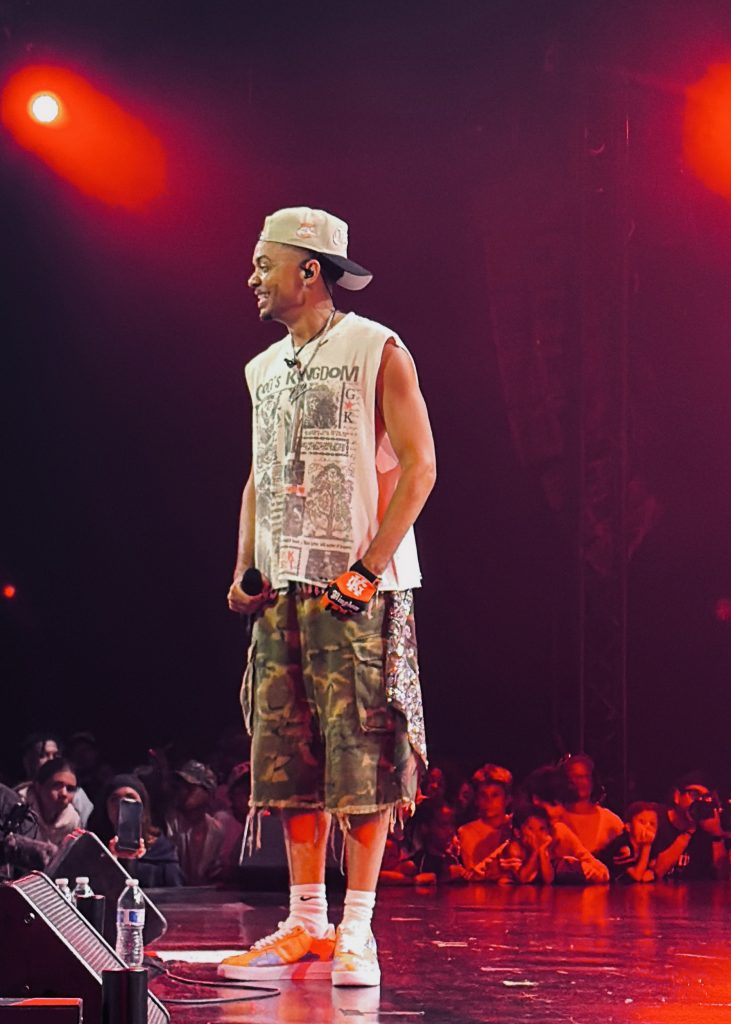
There were moments when Minnick stepped away from the music entirely to speak about his faith, his testimony, and the purpose behind Glo Fest. For someone outside that tradition, those moments occasionally felt longer than I personally would have preferred, but they also would have been impossible to separate from the event itself. This wasn’t a secular festival with Christian lyrics sprinkled into the set list. Faith wasn’t an accessory to the performance, it was the reason the gathering existed in the first place. Judging the event while ignoring that reality would have been as incomplete as reviewing a jazz festival without acknowledging improvisation.
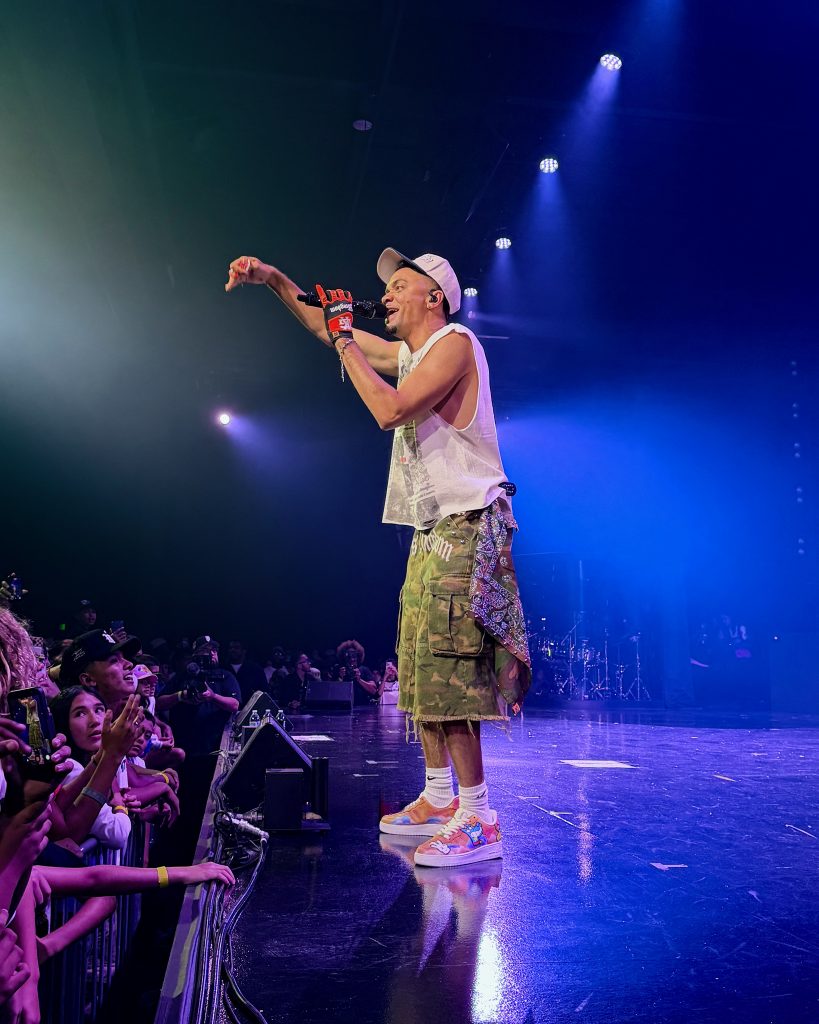
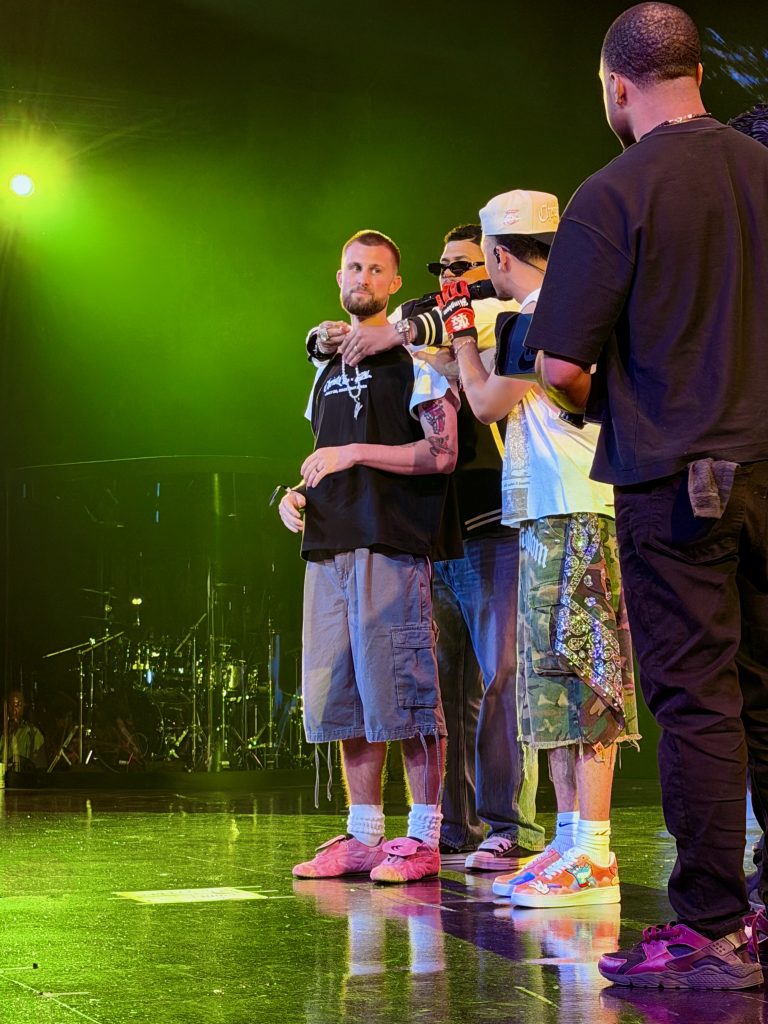
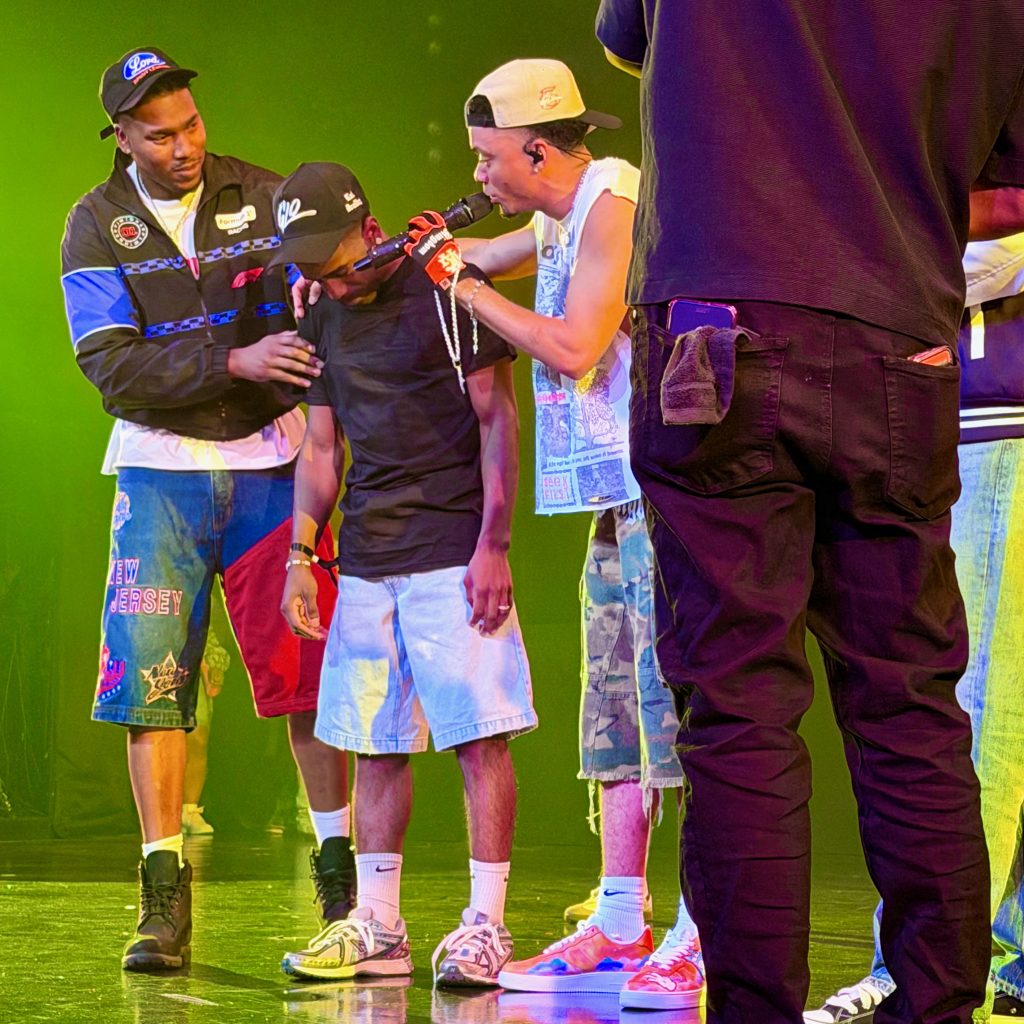
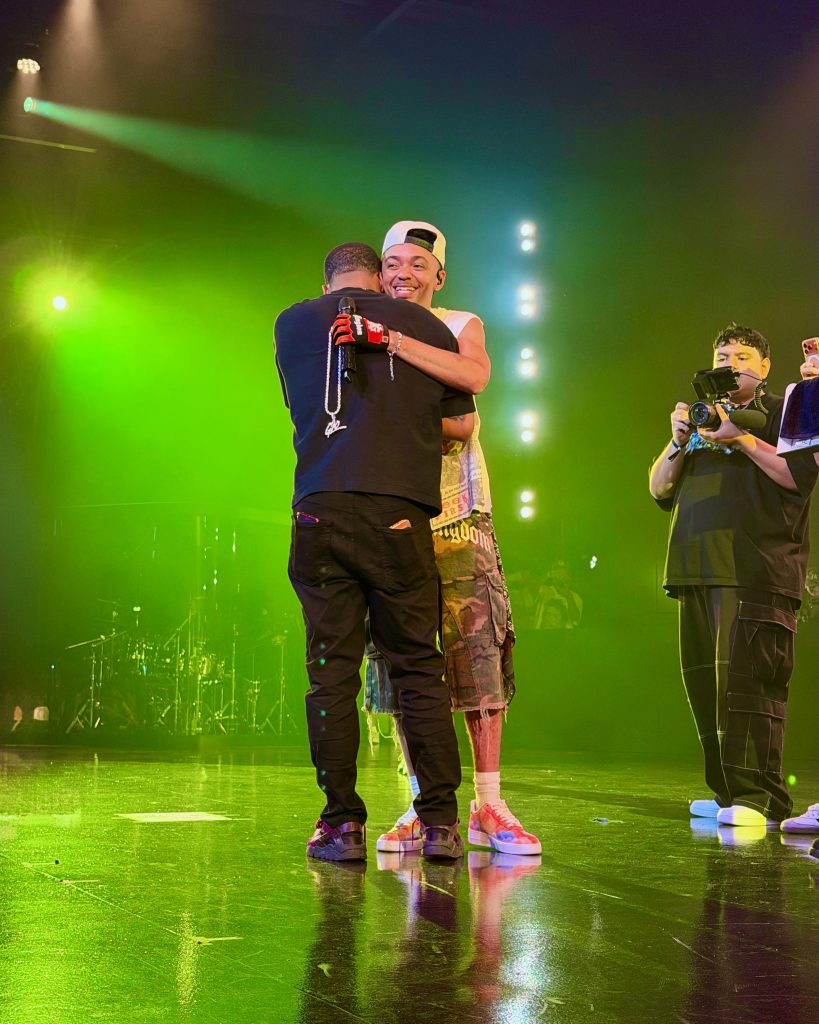
One of the afternoon’s most memorable moments came when Minnick paused to recognize members of his team and artists who had helped build Glo Records into what it has become. Rather than treating jewelry as a symbol of status, he presented custom GLO chains as symbols of service and loyalty, honoring DJs, collaborators, and fellow artists who had contributed to the movement from the beginning. Watching that ceremony unfold, I found myself thinking unexpectedly about an exhibition I had recently visited on ancient Egypt, where elaborate collars were awarded as marks of distinction for extraordinary service to the kingdom. Thousands of years separated the two traditions, yet the symbolism felt remarkably similar. In both cases, adornment became less about wealth than gratitude, a public acknowledgment that success is rarely achieved alone.
As the festival drew to a close, I realized I had spent very little time thinking about whether I agreed with every theological idea expressed from the stage. That simply wasn’t the story I was there to tell. What stayed with me instead was how thoughtfully the entire event had been constructed. Families were able to enjoy a full day of live music without worrying about drunken crowds or unsafe environments. Children experienced hip-hop as something that welcomed them rather than something they would eventually have to hide from their parents. Young artists were given a platform alongside established names. Community wasn’t treated as a marketing slogan but as the operating principle behind the entire festival.
It’s easy to become cynical after years of covering live music. You begin to assume that every festival is chasing the same metrics, selling the same experience with slightly different branding. Glo Fest reminded me that there are still people interested in building something larger than a concert. Whether someone shares the faith that inspired the festival almost feels secondary to the fact that Miles Minnick has created a space where community, hospitality, and exceptional music are able to exist together without compromise.
I arrived in Mountain View expecting to write about a Christian hip-hop festival. I left thinking about the Bay Area instead. About what happens when artists invest as deeply in people as they do in performances. About how different live music can feel when families, children, and neighborhoods become part of the audience rather than obstacles to it. Most of all, I left reminded that good music has never belonged to one scene, one belief system, or one audience. It belongs to anyone willing to approach it with an open mind, and on that front, Glo Fest Cali delivered one of the most unexpectedly rewarding festival experiences I’ve had in years.
All images in this article by punk rock journalist