The music industry has spent years encouraging artists to post more content, build an audience and remain perpetually visible online. Australian producer, songwriter and multi-instrumentalist Ethan French has found a more interesting way to approach that demand: instead of creating content to promote his music, he made the creative process itself the content. The result is ideas of the day vol. 1, a 25-track collection of musical sketches and completed songs that began as a daily Instagram experiment and developed into an unexpected international breakthrough.
The project arrives alongside “way that i do – day 32,” a collaboration with Grammy-winning R&B singer BJ the Chicago Kid that emerged directly from the online series. French had originally posted the musical idea as part of his daily routine when BJ commented on the video, expressing interest in working together. What began as an interaction between two musicians on social media eventually became a finished recording, illustrating how digital platforms can facilitate genuine artistic relationships rather than simply generating engagement.
French describes the song as combining a raw, distorted sound with a distinctly R&B foundation. That combination offers an introduction to the musical territory he occupies, where jazz-informed harmony, groove-driven production and contemporary R&B intersect with a more experimental approach to arrangement. Rather than treating distortion as something that belongs exclusively to rock music, French is interested in using its texture within a style that traditionally emphasizes warmth, rhythm and vocal expression.
It’s a compelling direction for an artist whose musical identity has developed through experimentation rather than strict adherence to genre. His compositions frequently draw from jazz, soul, funk and modern electronic production, reflecting an approach that prioritizes harmonic curiosity and rhythmic feel over conventional stylistic boundaries. The collaboration with BJ the Chicago Kid is particularly appropriate given the singer’s extensive work within contemporary soul and R&B, where expressive vocals often coexist with sophisticated instrumental arrangements.
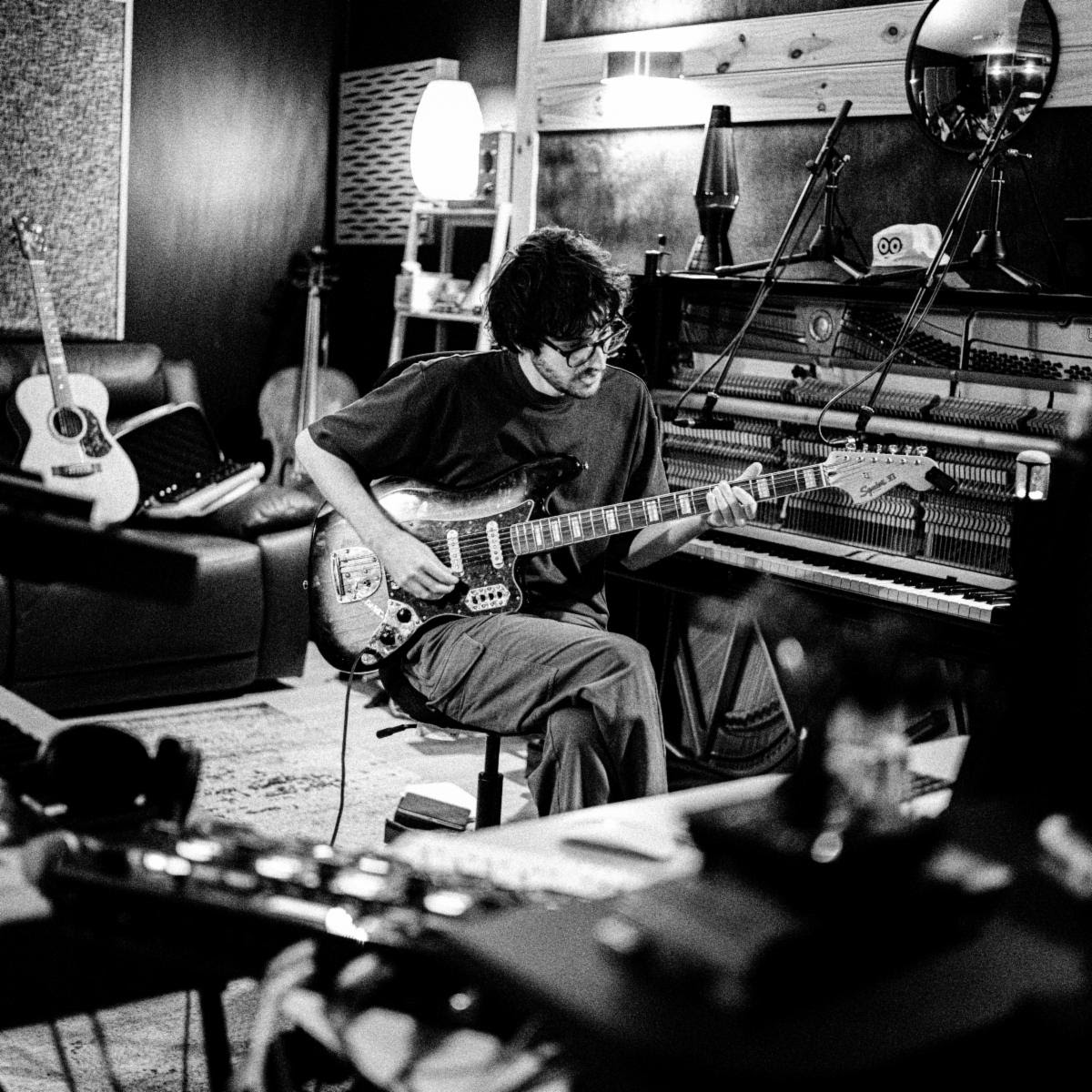
But the most significant aspect of ideas of the day vol. 1 may be the process that produced it. At the beginning of 2026, French committed to posting a new musical idea every day. Some were short sketches lasting approximately a minute, while others developed into more complete compositions. He wrote, recorded and mixed the material as part of this ongoing practice, removing the expectation that every idea needed to become a fully polished single before anyone could hear it.
That decision challenges one of the more exhausting conventions of contemporary music promotion. Artists are frequently expected to maintain an uninterrupted social media presence while simultaneously producing finished recordings, performing live and cultivating an identifiable brand. French’s experiment effectively collapsed those responsibilities into a single activity. The music was the content, the process was the promotion, and the audience was invited to follow its development in real time.
The results were considerable. According to the release materials, French accumulated more than 850,000 Instagram followers, with his broader social media audience approaching one million. His videos also attracted attention from musicians including Pharrell Williams, SZA, Justin Timberlake, Anderson .Paak, Robert Glasper, Tom Misch, John Mayer, Jon Batiste and Ryan Tedder.
Those endorsements are impressive, but the more meaningful development is the way French’s audience responded to music that was not necessarily presented as finished. Social media algorithms often reward immediate gratification, recognizable trends and carefully edited moments designed to capture attention within seconds. French’s success suggests that there is also an audience interested in watching musical ideas develop, particularly when the person creating them has a distinctive artistic vocabulary.
One of the project’s previously released tracks, “reckless and arranged – day 56,” generated enough interest to inspire remixes from Kerri Chandler and T-Pain, an unusual pairing that demonstrates the breadth of French’s appeal. Chandler’s longstanding relationship with house music and T-Pain’s influence on contemporary R&B and hip-hop occupy different corners of popular music, yet both found something worth exploring in the same composition. That kind of crossover is particularly revealing for an artist whose work resists easy categorization.
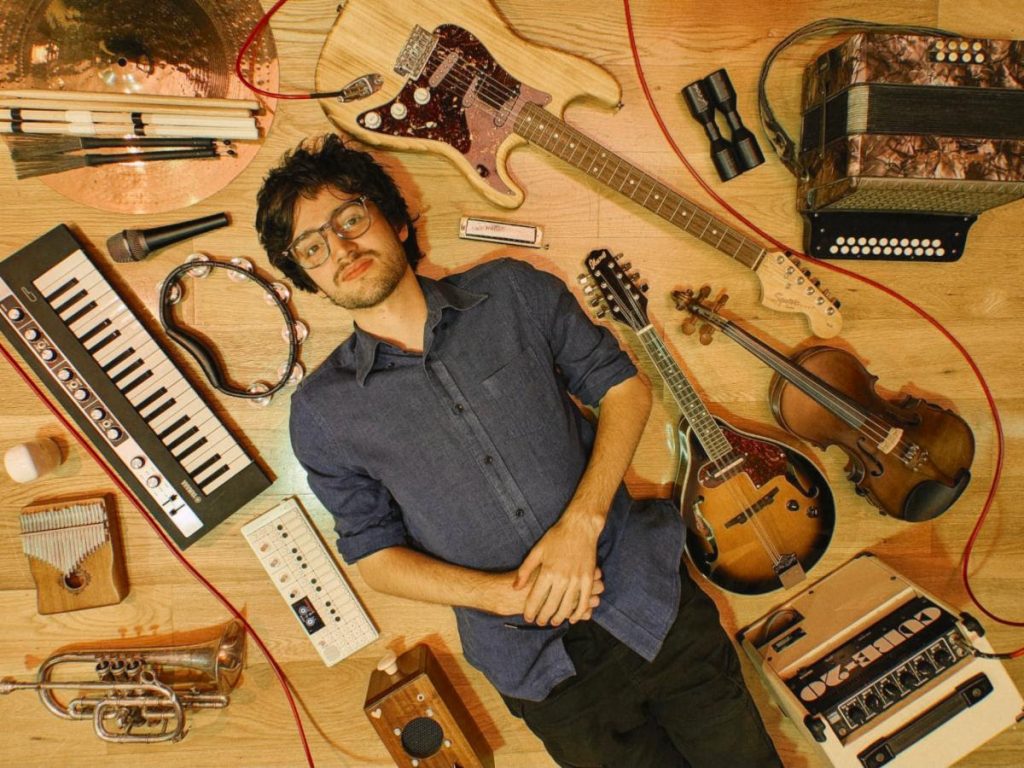
Other selections include “sticks and stones to telephones – day 52,” “it takes a lifetime – day 58,” “fake it till you make it – day 42” and “sight of me – day 10.” The titles preserve their original place within the daily series, creating a record of the project’s development rather than disguising the songs as products of a conventional album cycle. The numbering also reinforces the collection’s identity as a curated selection from a much larger body of work.
There is something refreshing about an artist who doesn’t feel compelled to pretend that every musical thought arrives fully formed. The traditional recording industry has often emphasized finished products, with demos, alternate takes and abandoned ideas typically relegated to archival releases. French has reversed that relationship by making the unfinished idea central to the listening experience.
His approach also reflects an unusually intuitive musical background. Raised on Australia’s far west coast, French began experimenting with instruments at home, where his mother introduced him to a small keyboard at age four and his father played guitar. By 15, he had won an Australian Children’s Music Foundation songwriting competition, although his relationship with formal musical education was considerably less straightforward.
French largely taught himself to play by ear, resisting pressure to prioritize conventional theory instruction. He later studied composition at the Western Australian Academy of Performing Arts, choosing a creative discipline over formal piano performance. His preference was to understand music through the act of making it rather than separating technical development from artistic expression.
That history helps explain why the daily experiment became so productive. French wasn’t approaching each composition as an academic exercise requiring a predetermined outcome. Instead, he allowed curiosity to guide the work, trusting that an interesting musical idea could justify its existence even if it never became a conventional song.
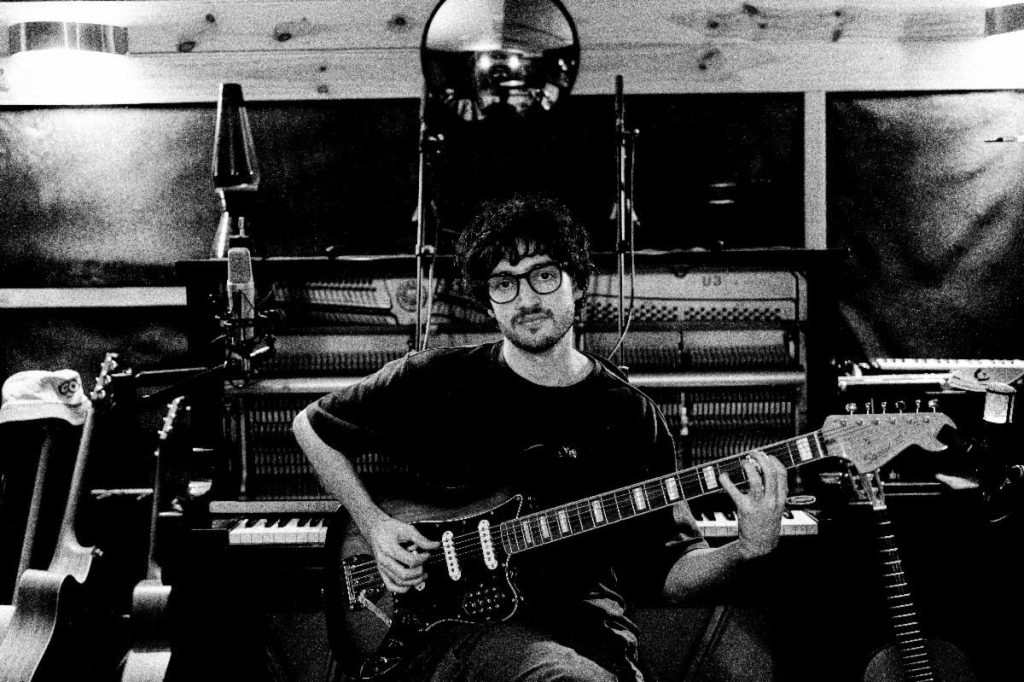
“I think I’ve enjoyed the creative process on this project more than I ever have,” French says. “I’ve learned that when I place less pressure on each individual idea, it actually improves the quality of my writing.”
The observation speaks to a broader creative problem, particularly for musicians who have become accustomed to evaluating every piece of work according to its commercial potential. When each recording is expected to justify studio time, marketing expenses and promotional resources, experimentation can become increasingly difficult. French’s daily practice created a different set of incentives, where consistency and discovery mattered more than immediate perfection.
Importantly, the project didn’t emerge from an elaborate marketing strategy. French initially considered posting daily chord demonstrations for other musicians, but quickly realized that the format wasn’t creatively satisfying. He shifted toward sharing original musical ideas instead, building on an earlier series of song sketches without the daily commitment.
That distinction matters because the success of ideas of the day vol. 1 is not simply another example of an artist discovering an effective social media formula. Its appeal appears to come from the relationship between the format and French’s actual creative interests. The daily schedule gave him a reason to keep writing, while the public nature of the experiment provided an audience for work that might otherwise have remained on a hard drive.
His collaboration with BJ the Chicago Kid is a particularly strong example. Rather than securing a high-profile guest appearance through a conventional promotional campaign, French attracted the singer’s interest through an original composition shared publicly. The resulting recording gives the project a tangible professional outcome while preserving the spontaneity that made the original series compelling.
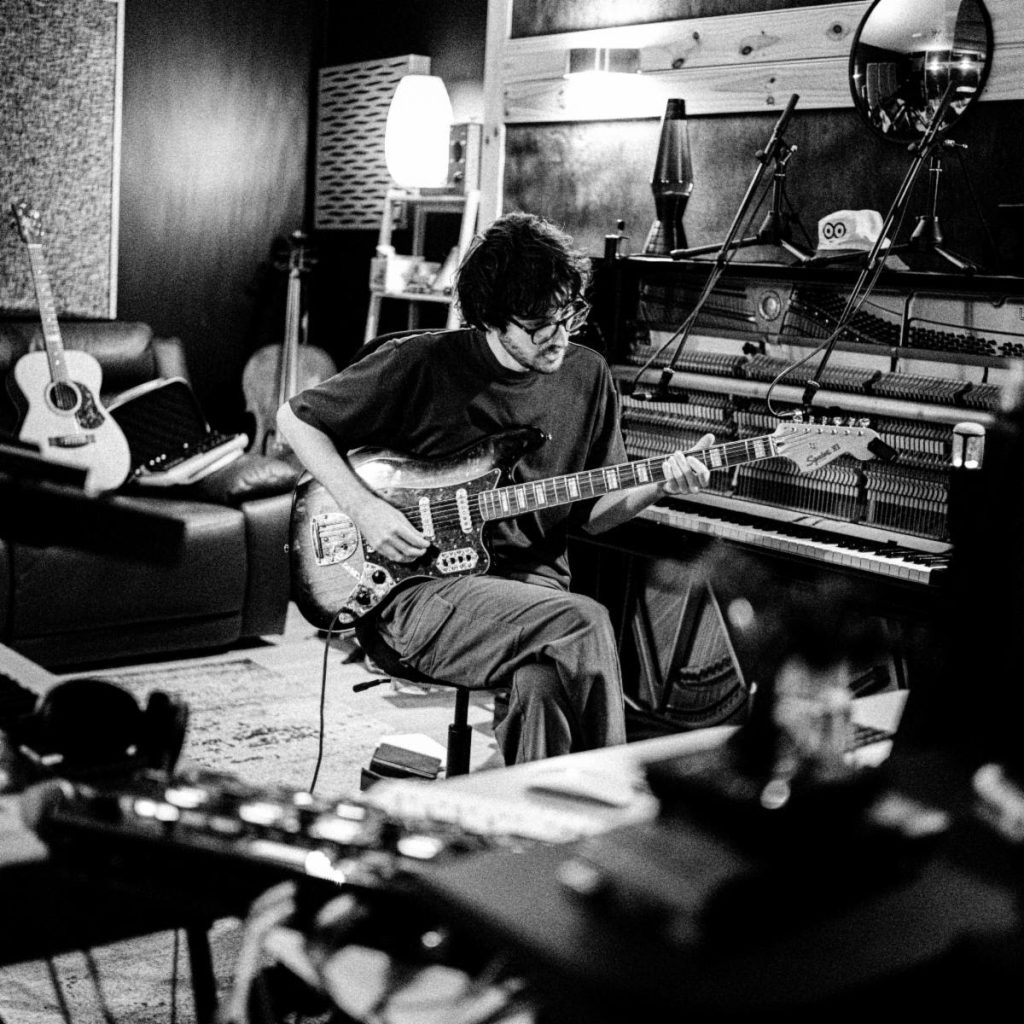
With ideas of the day vol. 1, Ethan French has transformed those fragments into something more substantial than a collection of social media posts. The project documents an artist developing his voice in public, while demonstrating that creative experimentation and audience growth do not necessarily have to compete with one another.
The most interesting question now is what French will do with the opportunities the series has created. His audience has expanded, established musicians are paying attention, and collaborations are beginning to emerge from the work itself. But the strongest argument for his future isn’t the follower count or the celebrity endorsements. It’s the fact that the entire breakthrough began with a simple commitment to making music every day, whether anyone was listening or not.
ideas of the day vol. 1 is available now, featuring 25 tracks including “way that i do – day 32” with BJ the Chicago Kid.
Featured image credit: Ethan French