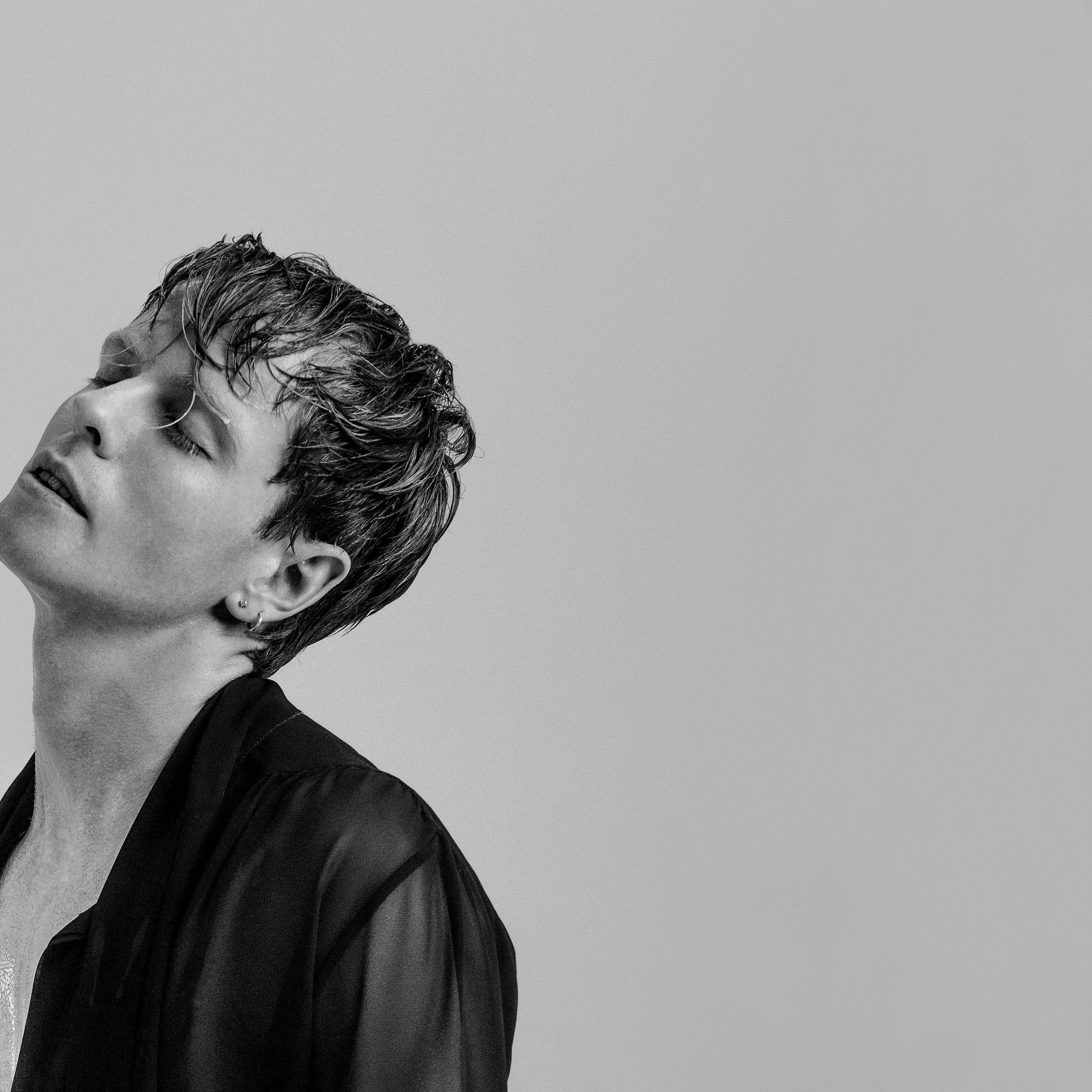
There is something almost disorienting about hearing a voice like Jamie Hannah’s exist inside modern pop music. Not because it feels out of place, but because it feels strangely absent from the current landscape altogether. At a moment when so much mainstream songwriting leans toward restraint, understatement, or algorithmic coolness, Hannah arrives with scale. Drama. Actual emotional risk.
His latest single “Oblivion,” now paired with a striking new visual, leans fully into that intensity.
The opera-trained British singer-songwriter has spent the last year quietly building an online cult following through his now-viral Italian Aria series, transforming familiar pop songs into sweeping classical performances that feel suspended somewhere between cathedral acoustics and late-night heartbreak. The clips spread quickly because they didn’t sound like content. They sounded possessed. Rich, theatrical, romantic in a way pop music rarely allows itself to be anymore.
“Oblivion” takes that same emotional DNA and pushes it into original material.
Written alongside Christopher Braide, whose fingerprints can be found across records by Sia and Lana Del Rey, and Lindy Robbins, known for work with Demi Lovato and Matteo Bocelli, the track unfolds like a slow emotional detonation. Piano and restrained production give way to towering vocal swells as Hannah moves through themes of guilt, shame, forgiveness, and emotional exhaustion. Instead of treating vulnerability as something muted or delicate, he sings it at full volume.
“At its heart, it’s about learning to forgive yourself and realizing you don’t have to keep living in your own chaos,” Hannah shared.
That tension between grandeur and intimacy is what makes the record work. Hannah’s technical ability is undeniable, but the song never disappears into vocal gymnastics. There is weight behind every note. You hear the years of classical training, certainly, but you also hear someone trying to claw their way toward peace.
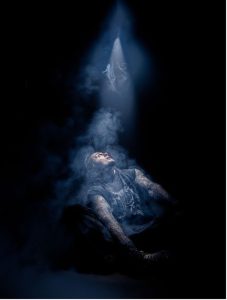
The accompanying video deepens that atmosphere, presenting Hannah less like a traditional pop artist and more like a spectral figure wandering through emotional wreckage. The imagery mirrors the song’s internal collapse and eventual release, building toward something almost mythic in tone.
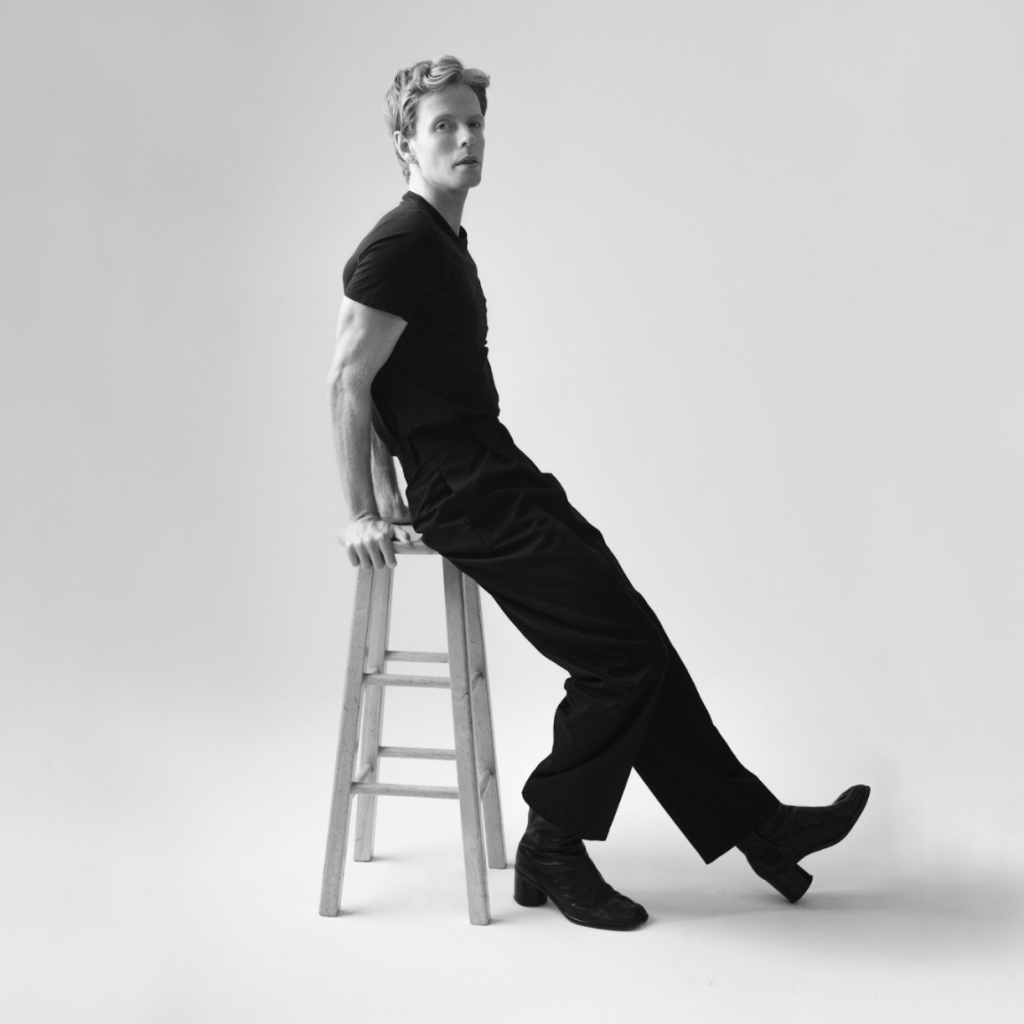
Raised in the UK and trained as a countertenor at the Royal College of Music, Hannah has performed everywhere from Shanghai opera houses to London’s Royal Albert Hall. Since relocating to California, he has begun threading together opera, orchestral arrangement, queer identity, and cinematic pop into something increasingly singular. Even the artists praising him speak about him less like an emerging singer and more like a phenomenon. Billboard called his voice unlike anything else in pop. Dolly Parton publicly praised his aria reinterpretation of “I Will Always Love You.” Boy George described his classical instincts as “magical.”
Still, “Oblivion” feels less concerned with proving anything than with opening something up emotionally. That may be why it lingers. Beneath the orchestration, beneath the operatic sweep, there is a very human feeling sitting at the center of it all: the exhaustion of carrying your own mistakes for too long.
With a forthcoming EP featuring collaborations with Diane Warren still ahead, Jamie Hannah is rapidly becoming one of the more fascinating left turns in contemporary pop. “Oblivion” does not sound like the rest of the industry right now.
That’s precisely why it matters.
Featured image credit: Jamie Hannah