Puerto Rican rapper, singer and songwriter Villano Antillano has released her fourth studio album, Ante el Umbral del Peligro No Siento Temor, a 12-track project that turns desire, anger, vulnerability, identity and resistance into a study of what it means to exist without making yourself smaller for anyone else.
Produced by Groove 2070, the alias of Edmond Porcuna Antolín, the album arrived August 28 alongside the official video for focus track “CRACK,” directed by Vladimir Alvira. The visual carries a content warning for its depiction of domestic violence, pushing some of the record’s darkest ideas about danger, power and survival into explicitly physical territory.
Even its title establishes the stakes. Ante el Umbral del Peligro No Siento Temor translates roughly to “At the Threshold of Danger, I Feel No Fear,” an assertion that becomes more complicated as the album unfolds. Villano Antillano is not presenting fearlessness as the absence of vulnerability. Instead, she allows fear, desire, pain, pleasure, anger and uncertainty to occupy the same space.
That refusal to flatten herself into a single version of Villana is central to the album. The project moves between sexual provocation and introspection, sometimes sounding confrontational and other times exposing the emotional consequences beneath that armor. Rather than resolve those contradictions, she treats them as evidence of a complicated interior life.
Several songs correspond to distinct emotional stages. “Bichifokel” is connected to denial, “¡Ráspate!” channels anger and “Pichersita” arrives at acceptance, creating a loose psychological progression through confrontation and transformation. It gives the album an underlying narrative without forcing its songs into a rigid concept.
The “Me Ven.” interlude sharpens one of the record’s most compelling ideas: the difference between being seen and actually being recognized. For someone whose identity exists outside traditional social expectations, visibility can contain desire and fascination while simultaneously inviting judgment and violence. Villano examines that gaze without allowing it to determine who she is.
Her Puerto Rican identity provides another anchor. References to Levittown, Naranjito, Carolina and the Antilles run through a record that moves fluidly between Spanish and English while keeping Puerto Rican vernacular embedded in its language. “OTA” draws especially heavily on those roots, juxtaposing a deeply local sense of identity with an artistic life that now reaches well beyond Puerto Rico.
“entre2AGUAS,” meanwhile, turns inward. Desire becomes tangled with attachment, distrust and the difficulty of releasing a relationship that could provide pleasure while simultaneously causing pain. Its perspective gradually shifts toward something more reflective: an acknowledgment that a relationship can leave permanent evidence without continuing to dictate the person who survives it.
Then comes “CRACK.”
The album’s focus track condenses many of Ante el Umbral del Peligro No Siento Temor’s central tensions into one volatile piece. Sexuality, danger and defiance collide with a darker examination of violence and the consequences faced by people who refuse submission. Alvira’s accompanying video makes that violence impossible to treat as abstraction, using depictions of domestic abuse to extend the song’s examination of vulnerability and survival.
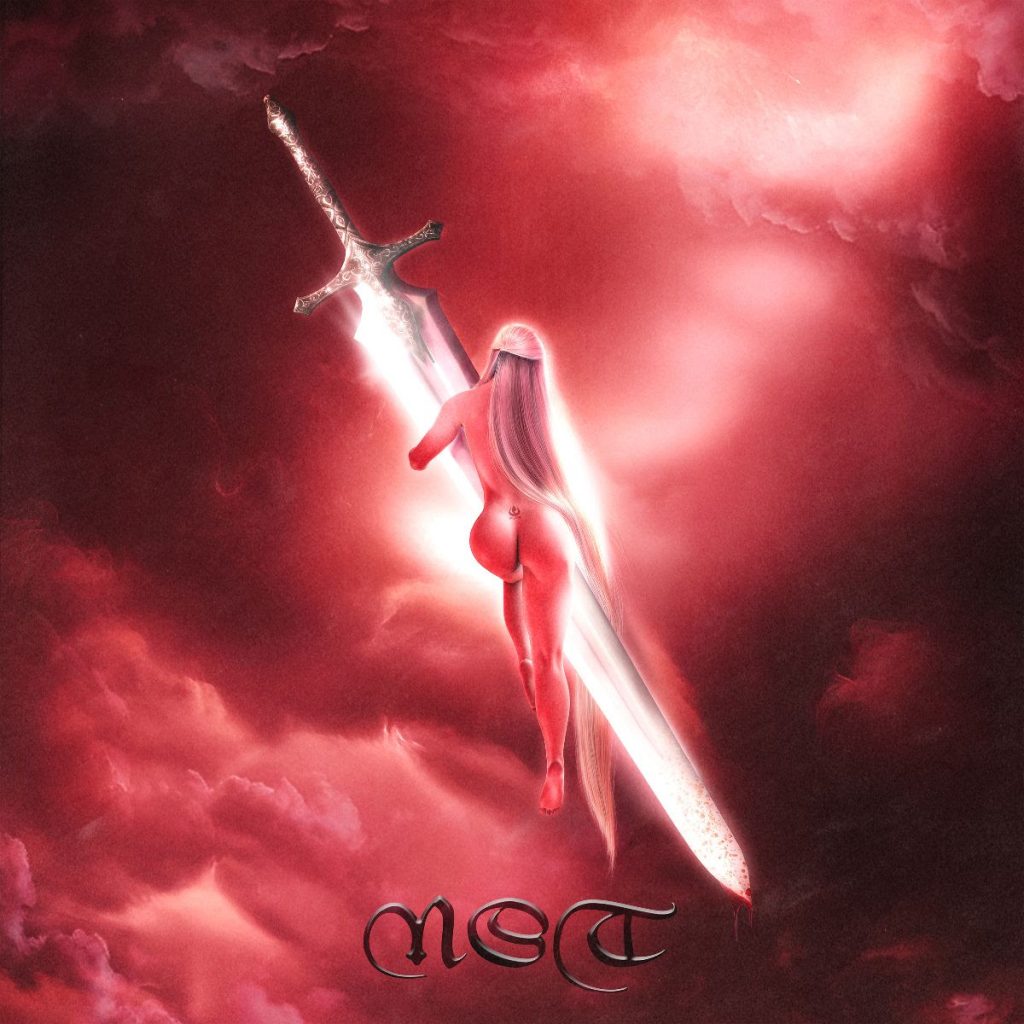
The result is particularly significant within the larger cultural reality surrounding the record. Villano Antillano has become one of Latin music’s most visible trans artists, and Ante el Umbral del Peligro No Siento Temor arrives at a moment when trans people continue to contend with violence, rejection and political efforts aimed at restricting their lives. But Villano does not reduce the album to a response to other people’s hostility. Its resistance is rooted in the insistence that she gets to be expansive: sexual, angry, funny, wounded, spiritual, contradictory and free.
That distinction matters. Representation can become another kind of confinement when an artist is expected to carry an entire community every time they enter a studio. Villano instead centers the specificity of her own experience, and in doing so creates something capable of resonating beyond it.
Her ascent has already positioned her as a disruptive presence within Latin urban music. Praise from publications including Rolling Stone, Vogue México and GQ México has followed an artist whose visibility challenges long-established expectations around who gets to occupy space in the genre. But Ante el Umbral del Peligro No Siento Temor is less interested in proving that Villano belongs inside an existing structure than demonstrating how little interest she has in reshaping herself to fit one.
Across “Bon Appétit,” “MUGGY,” “TIGER QUEEN,” “rrrapidita,” “XXL” and the album’s more explicitly narrative moments, the project keeps returning to autonomy. Sex can be pleasure, armor or vulnerability. Anger can destroy or protect. Being watched can feel validating until the gaze becomes threatening. Home can be both geography and language. Survival does not require pretending that nothing hurts.
By allowing those ideas to remain messy, Villano makes Ante el Umbral del Peligro No Siento Temor feel less like a declaration of invincibility than a declaration of self-possession. She does not need to eliminate fear before moving forward. She simply refuses to let fear decide the direction.
Featured image credit: Josh Anton