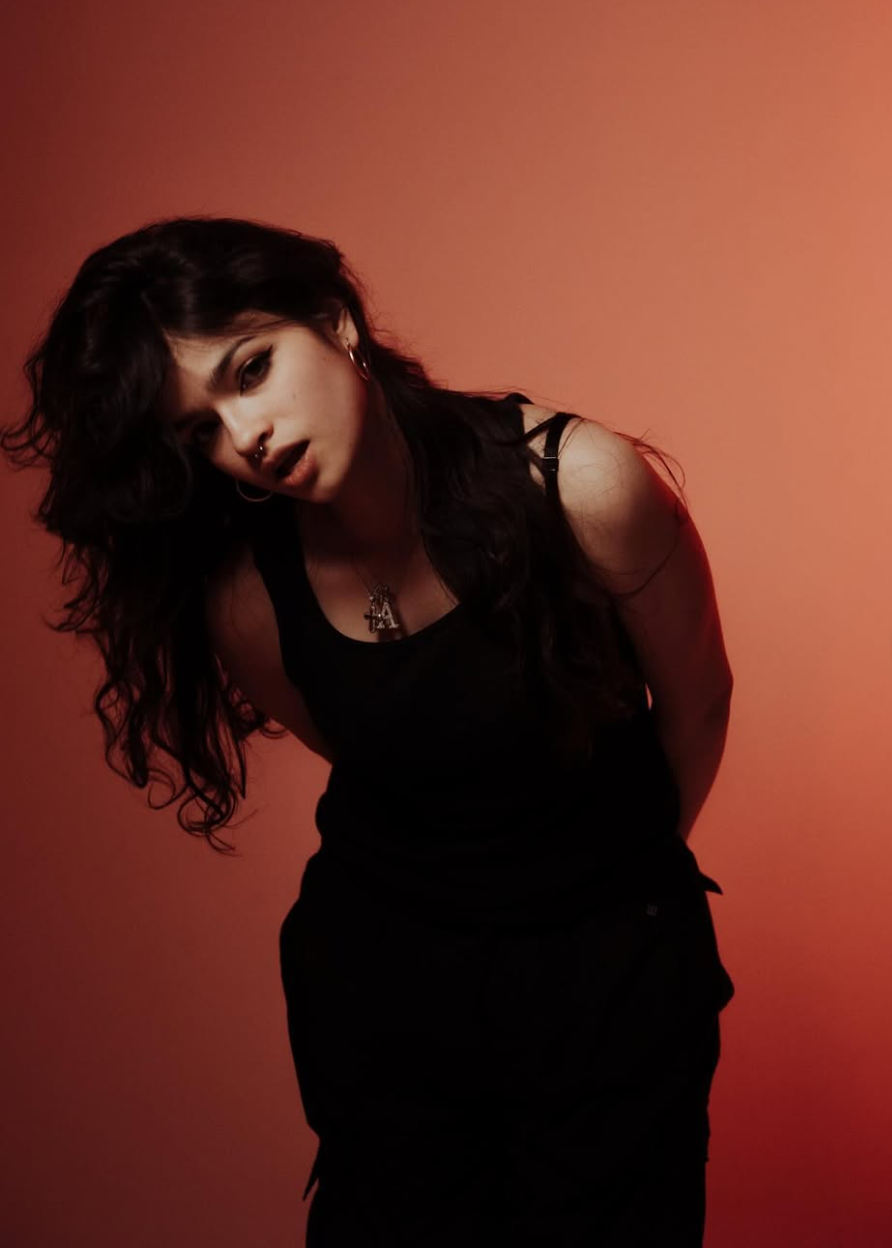
There is a particular kind of loneliness that comes from being wanted but not necessarily valued. Brooklyn’s Ari Abdul has built much of her musical identity around that distinction, creating dark, atmospheric pop songs in which desire frequently feels like a negotiation for power. With her latest single, “FMTYLM,” she takes that uncomfortable dynamic to its logical extreme, examining what happens when being desired becomes a substitute for being loved.
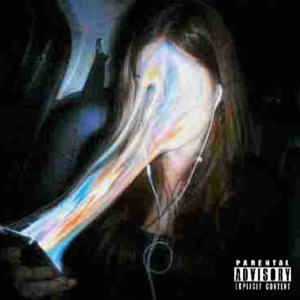
The single accompanies the announcement of THE VOID, Abdul’s debut studio album, arriving November 13, 2026, via Slumbo Labs/RCA Records. Produced by Stint and Ella Boh, the 12-track project represents four years of artistic development for a musician whose career began with an unexpected viral moment and has since evolved into something considerably more deliberate.
“FMTYLM,” short for “Fuck Me ‘Til You Love Me,” is provocative by design, although its meaning is far less straightforward than its title suggests. Abdul describes the song as an examination of self-objectification, insecurity, and the desperate pursuit of external validation. Rather than presenting physical intimacy as an expression of empowerment or uncomplicated pleasure, she explores how easily it can become another way of surrendering control.
“It’s about making yourself desirable enough to be important,” Abdul explains. “The attention fills the void even if it means becoming an object of entertainment.”
That distinction is what makes the song more interesting than its deliberately confrontational title. Abdul is not necessarily describing desire itself as destructive. She is examining the circumstances under which desire becomes a currency, something a person feels compelled to exchange for affection, security, or a temporary sense of significance.
Sonically, “FMTYLM” remains within the shadowy electronic atmosphere that has become Abdul’s signature. A hypnotic bassline establishes the song’s slow, persistent momentum, while heavily reverberated vocals create a sense of emotional distance. Her delivery moves between intimacy and unease, allowing the production’s spaciousness to reinforce the vulnerability at the center of the lyrics. The arrangement favors tension over explosive release, an approach that suits a song about wanting something so badly that the wanting itself becomes dangerous.
The production also reflects a broader characteristic of Abdul’s work. Where mainstream pop frequently uses enormous choruses and polished vocal performances to communicate emotional intensity, her music tends to make restraint feel equally dramatic. The darkness is not simply an aesthetic choice. It gives the lyrics room to remain unresolved, allowing longing, resentment, attraction, and self-awareness to coexist.
That approach places Abdul within a lineage of alternative pop artists who have explored the more psychologically complicated aspects of romance. The influence of Lana Del Rey, The Neighbourhood, and The 1975 is particularly relevant, not because Abdul reproduces their music directly, but because she shares an interest in atmosphere as a form of storytelling. Her songs frequently operate somewhere between dark pop, alternative R&B, and electronic music, drawing on the moody production and confessional songwriting that became increasingly influential during the Tumblr era.
For Abdul, those references are more than convenient genre comparisons. She grew up immersed in that culture, describing herself as a Tumblr fangirl who listened obsessively to artists including Arctic Monkeys, Melanie Martinez, and Lana Del Rey. Her introduction to making music came almost accidentally when a friend invited her into a studio after high school and encouraged her to experiment with songwriting.
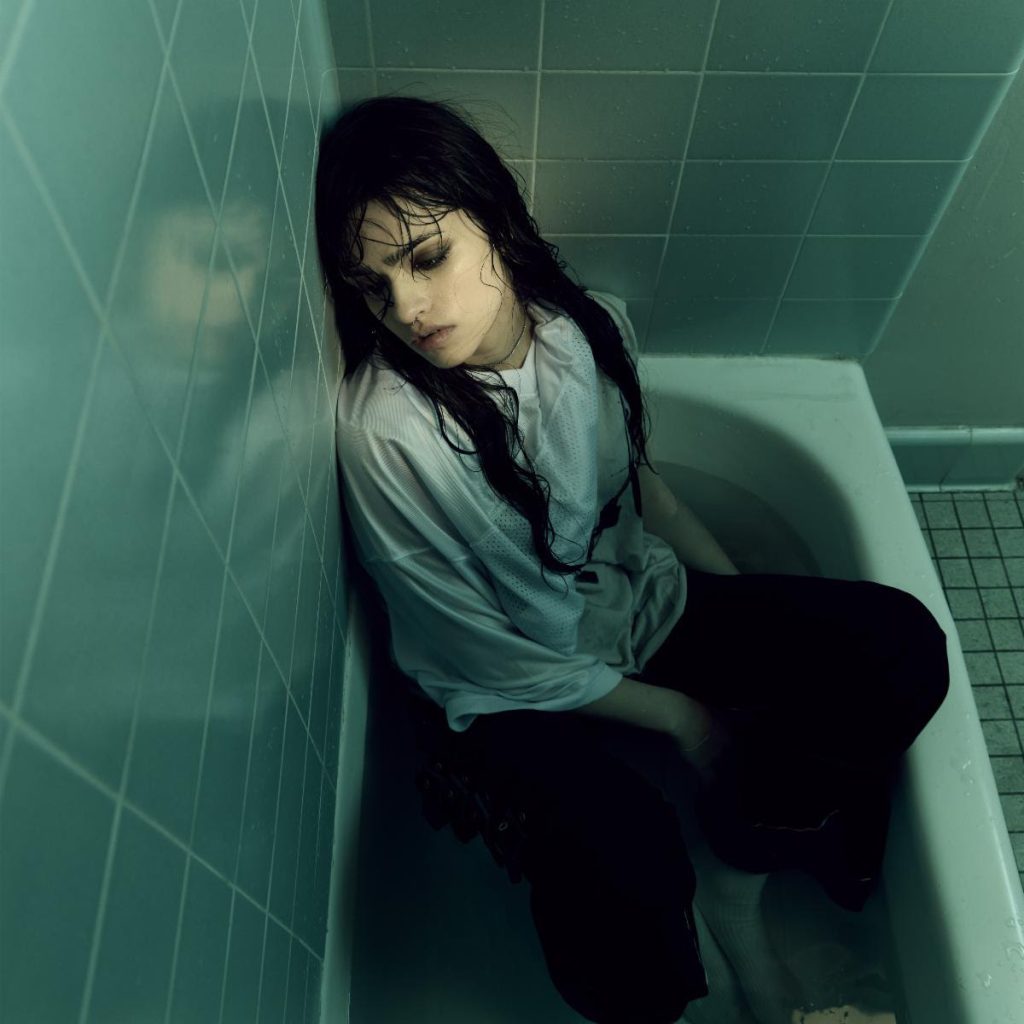
The resulting track, 2022’s “BABYDOLL,” became a viral success on TikTok, introducing Abdul to an audience she had never anticipated reaching. What followed was an unusually accelerated introduction to the music industry: a recording contract, two EPs, a tour with Nessa Barrett, and a first live performance at Lollapalooza.
The circumstances of that breakthrough are significant when considering THE VOID. Abdul did not spend years developing a carefully calculated public identity before introducing herself to listeners. Her earliest recordings were created without the expectation of an audience, and her subsequent career required her to develop as a songwriter while already navigating the demands of public attention.
That process can be especially complicated for artists whose initial popularity emerges through social media. A viral song may introduce millions of listeners to a particular sound, but it can also create pressure to reproduce the same formula indefinitely. The transition from a successful single to a cohesive album becomes an opportunity to establish whether there is a larger artistic perspective behind the initial moment.
THE VOID appears designed to answer that question.
Rather than assembling a collection of unrelated singles, Abdul has deliberately selected songs that occupy the same musical environment, emphasizing slow rhythms, heavy drums, spacious arrangements, and an atmosphere of persistent unease. The album’s previously released tracks explore different manifestations of desire and emotional dependency, creating a thematic connection that extends beyond their shared production style.
“SEDUCTIVE,” “EGO,” and “SO GOOD” examine attraction, jealousy, and obsession, while “ENAMORED” approaches romantic longing from a more vulnerable perspective. Written during a period when Abdul’s girlfriend was away on tour, the latter song reflects the loneliness that can exist even within an established relationship.
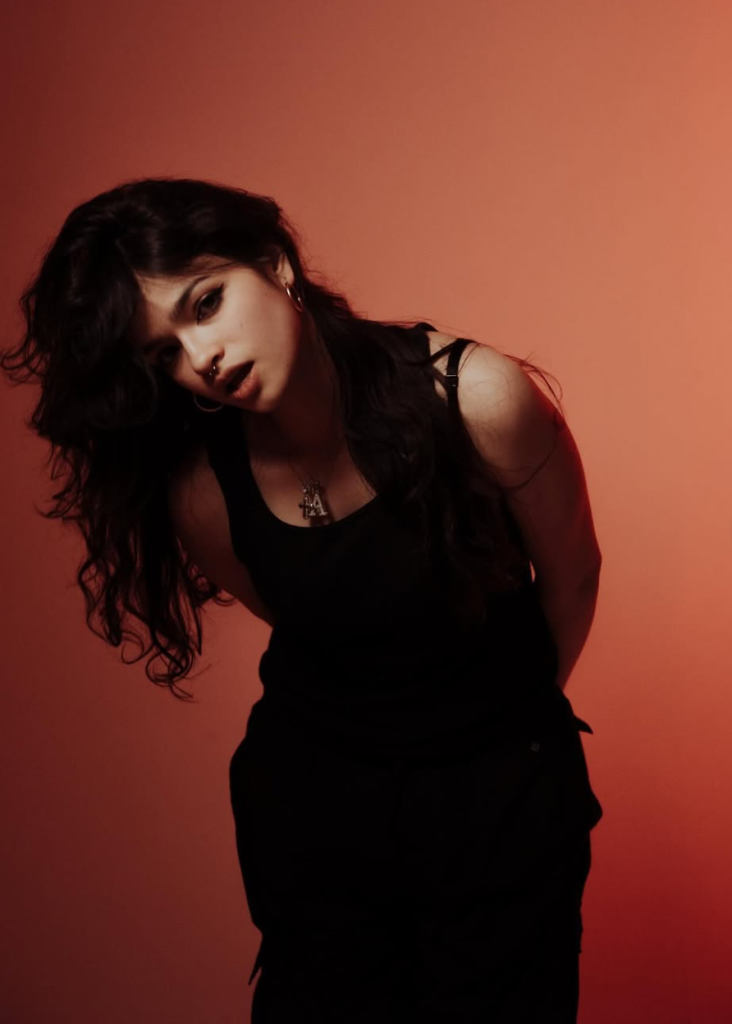
Together, these songs suggest that THE VOID is less concerned with romance as an ideal than with the psychological conditions surrounding it. Abdul is interested in the contradictions between wanting intimacy and fearing vulnerability, between exercising control and surrendering it, and between the attention someone receives and the emotional security they actually need.
There is also a notable difference between the artist who released “BABYDOLL” and the one preparing to release THE VOID. Her early success was defined partly by circumstance, with a song finding an audience before she had fully imagined a career in music. Four years later, Abdul is approaching her debut album with a more developed understanding of the musical and emotional territory she wants to occupy.
Her Brooklyn upbringing remains an important part of that identity. Raised in a household influenced by Latin pop and New York hip-hop, with family roots in Ecuador and Costa Rica, Abdul encountered a wide range of music before developing her interest in alternative and underground artists. Those experiences helped establish the eclectic listening habits that eventually informed her own songwriting.
The industry context is equally interesting. Dark pop has become an increasingly recognizable commercial category, particularly as artists who initially developed audiences through TikTok have moved into traditional label systems. But the genre’s popularity creates its own challenges. An abundance of whispered vocals, ominous synthesizers, and monochromatic imagery can make the distinction between a recognizable aesthetic and a genuinely individual artistic voice increasingly difficult to maintain.
Abdul’s advantage is her willingness to examine the less flattering aspects of her emotional life without insisting that every experience be reframed as empowerment. “FMTYLM” is particularly effective as a statement of intent because it refuses to make its central contradiction comfortable. The desire for validation is presented as understandable, but the consequences of pursuing it through self-objectification remain troubling.
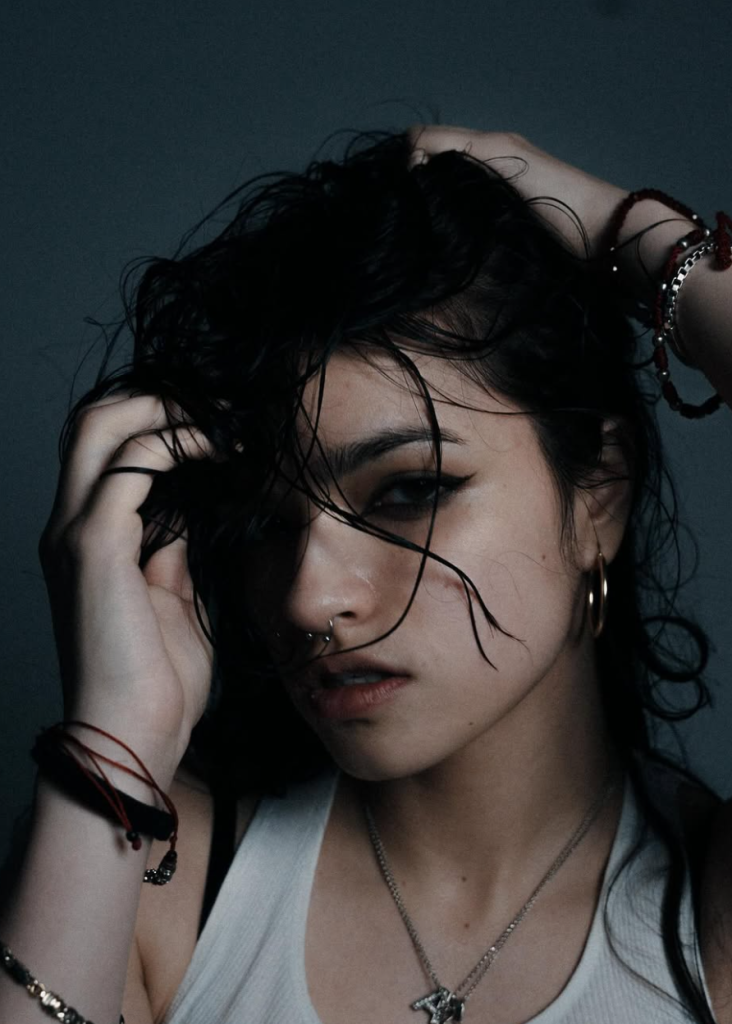
It is a perspective that feels especially relevant in a culture where attention is constantly quantified and personal desirability can become inseparable from public visibility. Abdul’s songwriting draws a connection between the emotional economy of romantic relationships and the larger systems through which people learn to measure their worth.
That connection gives THE VOID a potentially more substantial identity than another collection of atmospheric breakup songs.
With her debut album, Abdul is attempting to establish herself beyond the viral success that introduced her to the industry. The music remains dark, seductive, and deliberately unsettling, but the questions underneath it have become more specific.
“FMTYLM” captures the central contradiction of that evolution: the desire to be seen, even when being seen does not necessarily mean being understood.
THE VOID arrives November 13 via Slumbo Labs/RCA Records. “FMTYLM” is available now.
Featured image credit: pic: Arianna Abdul Instagram