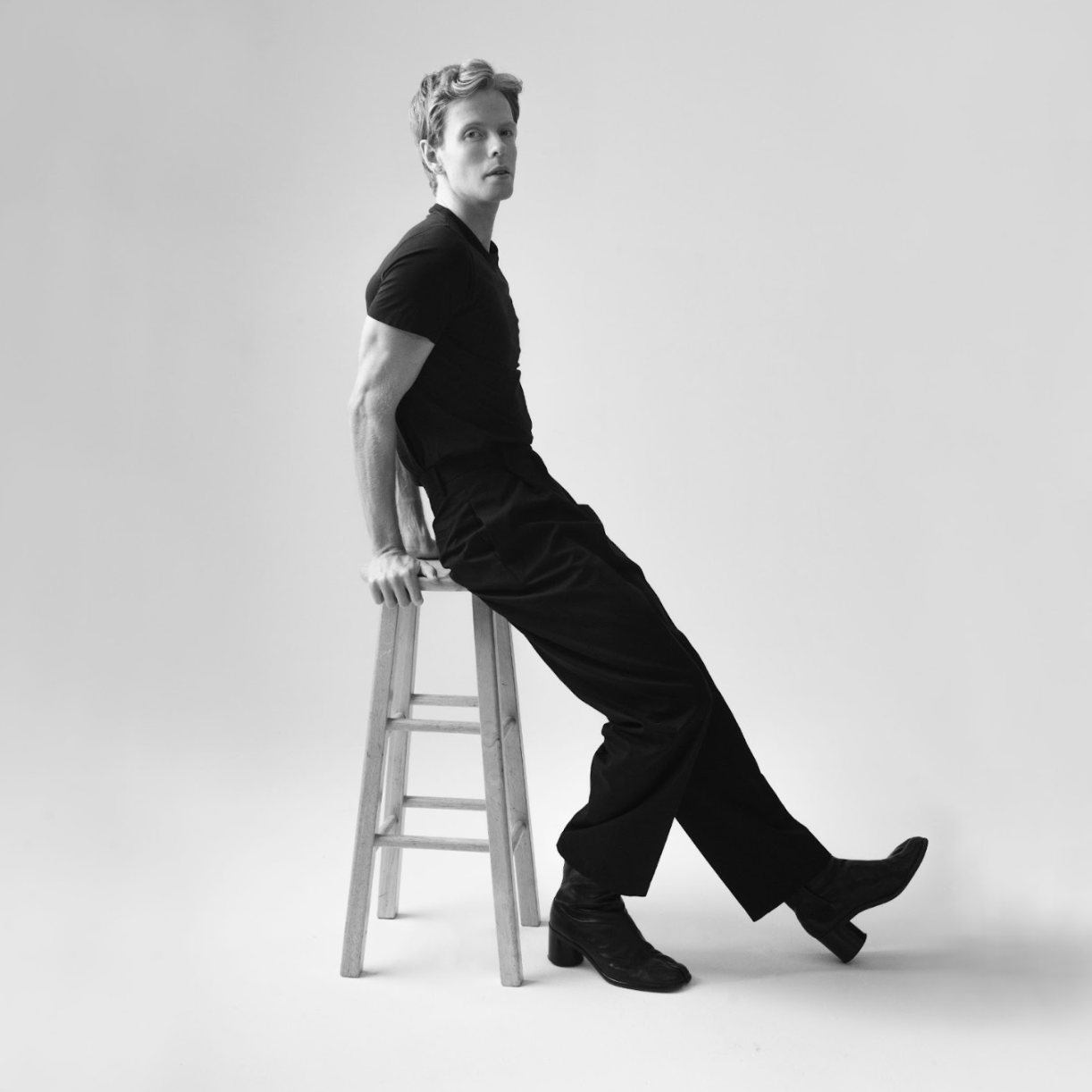
Opera-trained singer-songwriter Jamie Hannah is stepping into his next phase with “Oblivion,” a new single that leans fully into the tension between classical control and modern pop ambition.
The track, written with Christopher Braide and Lindy Robbins, opens quietly before expanding into something much larger. It’s built around restraint first, then release. The payoff comes through Hannah’s voice, which moves from low, controlled phrasing into a high register that feels almost architectural in how it’s constructed. The five-octave range isn’t just a stat here. It’s the engine.
Lyrically, “Oblivion” circles self-forgiveness without softening it. The framing is internal, not performative. “It’s about learning to forgive yourself and realizing you don’t have to keep living in your own chaos,” Hannah says, and the track holds to that idea without over-explaining it.
Hannah’s background is doing real work here. Trained as a countertenor at the Royal College of Music, he pulls from composers like Monteverdi and Handel while filtering those instincts through a pop structure. That combination lands somewhere closer to theatrical pop than traditional crossover, with shades of Freddie Mercury’s scale and MIKA’s elasticity, but less camp and more control.
The release follows a sharp rise in visibility driven by his Italian aria series online, where he reinterprets familiar songs through classical phrasing and orchestration. In under a year, those performances have pulled in over 10 million views and rapidly expanded his audience, signaling a lane that sits outside standard pop cycles but still connects widely.
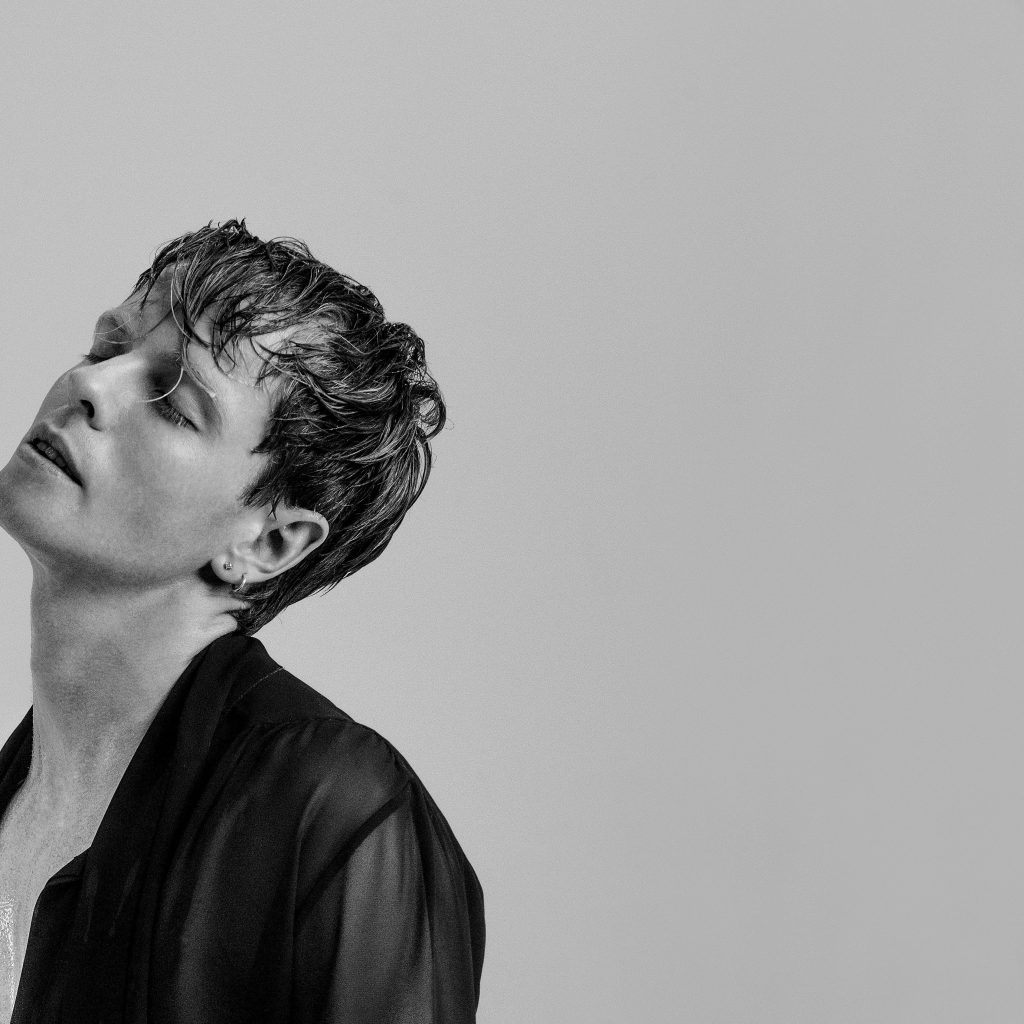
There’s also a clear throughline in how Hannah positions himself. His work stays rooted in his identity as an LGBTQ+ artist without flattening it into branding. Instead, it shows up in the emotional framing of the material and the openness of the performances.
“Oblivion” is the first of several releases tied to his upcoming EP, which will include additional high-profile collaborators. If this track is the entry point, the direction is already clear. He’s not trying to simplify his sound for accessibility. He’s scaling it.
Featured image credit: Jamie Hannah