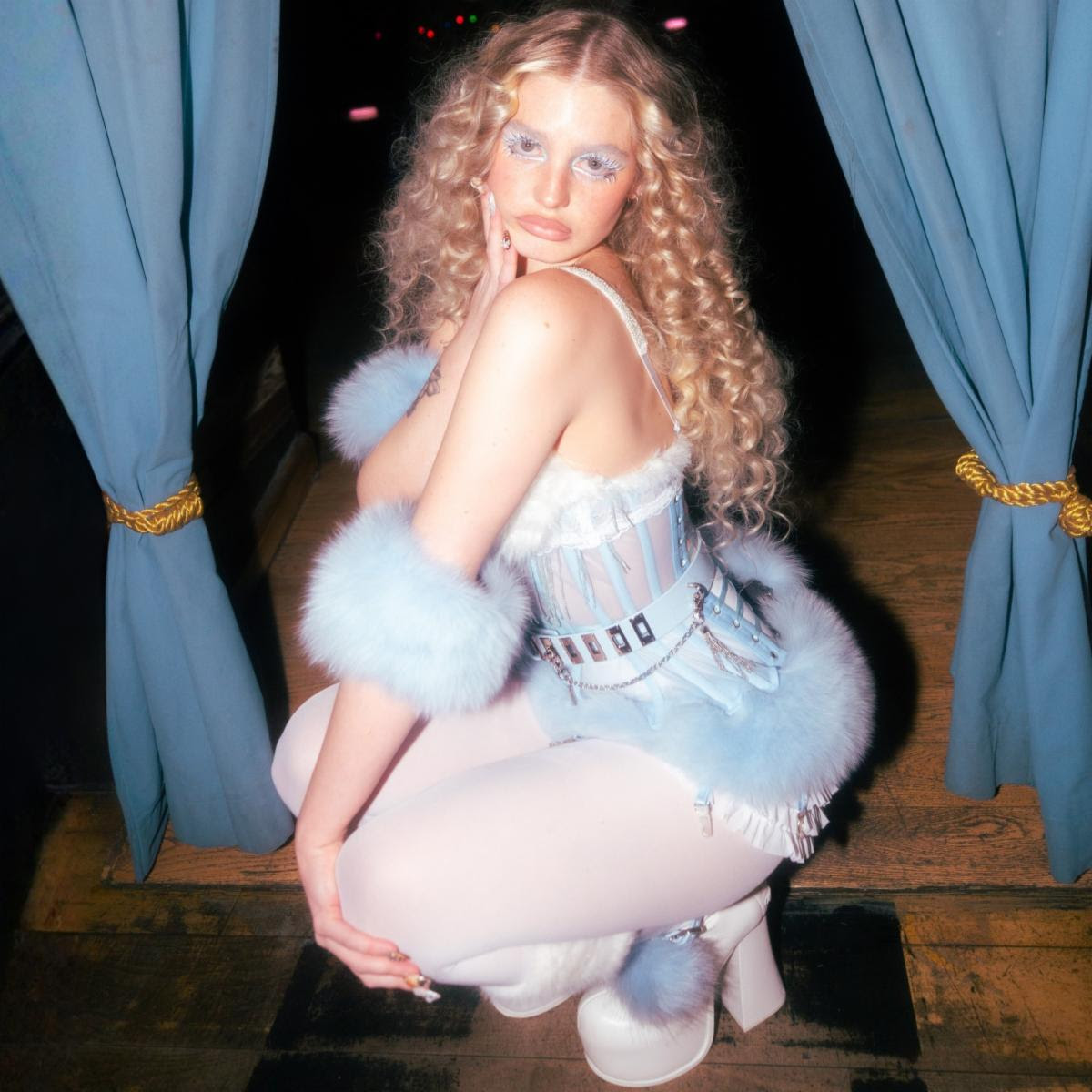
RAEGAN is not easing into visibility, she’s building a full stage and daring you to keep your eyes on it.
On her new single “The Angel of Los Angeles,” the New York-based theatre-pop artist pushes deeper into spectacle without losing control of the narrative. The track, pulled from her upcoming EP RAEGAN CORE, plays like a burlesque fantasy filtered through alt-pop instincts. It’s dramatic, self-aware, and knowingly excessive, the kind of song that understands performance is the point, not the byproduct.
The production leans into that tension. There’s a push and pull between polished pop structure and something more theatrical underneath it, like the track could spill over into a live number at any second. Vocally, RAEGAN doesn’t hold back. She stretches into the drama instead of smoothing it out, letting the emotion feel a little unhinged in a way that works.
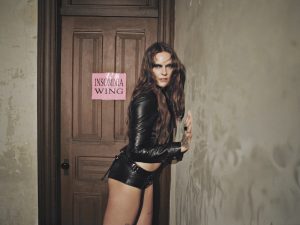
The visual doubles down on the world she’s building. Set inside a warped version of pageant culture, it moves between backstage chaos and fully constructed fantasy, blurring the line between persona and reality. It’s camp, but it’s disciplined camp. Nothing here feels accidental. The choreography, the pacing, even the humor all land with intention.
That level of authorship is what’s starting to separate RAEGAN from the broader alt-pop field. She’s not just releasing singles into the void. She’s building a contained universe that pulls from musical theatre, queer performance, and hyper-visual pop culture. It feels closer to a staged production than a traditional rollout.
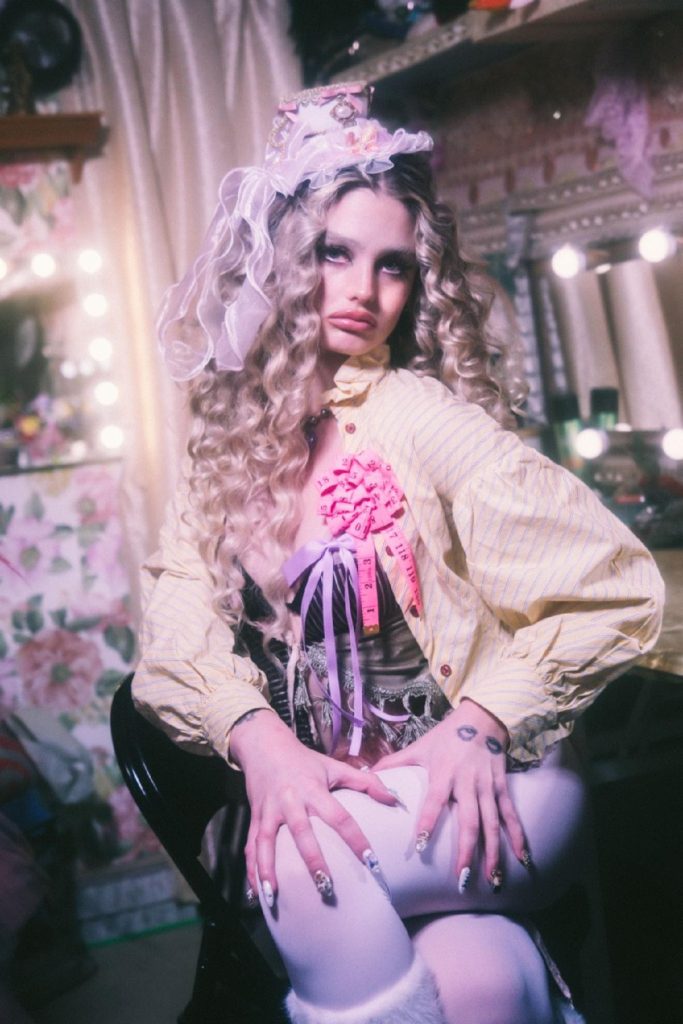
There’s already real momentum behind it. Her recent releases have pulled in millions of views, and the collaborators around her point to where this is headed. Bonnie McKee on the writing side. Brian Newman, long tied to Lady Gaga’s live world, circling the performance aspect. The references are clear, but she’s not flattening herself into them.
RAEGAN CORE is shaping up as something more deliberate than a debut cycle. The early singles map out a tone that is theatrical, self-mythologizing, and unapologetically maximal. “The Angel of Los Angeles” pushes that idea further, collapsing identity and performance into the same thing.
This isn’t subtle. It isn’t trying to be.
Featured image credit: RAEGAN